
Do You Need Your Wisdom Teeth Removed Before Invisalign?
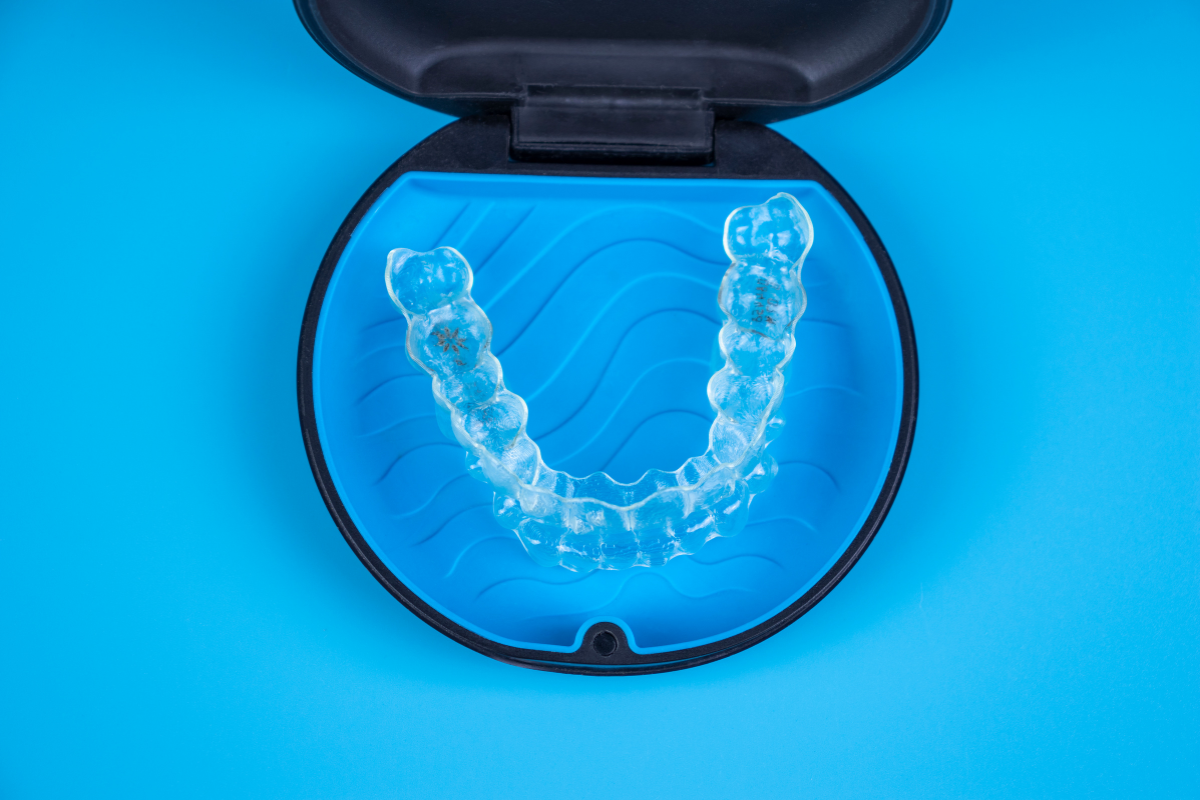
Wisdom teeth often raise questions for people considering clear aligners. If your third molars are coming in, are impacted, or have started causing discomfort, you may wonder whether they need to be removed before beginning orthodontic treatment. The answer depends on your wisdom teeth, your overall oral health, and the type of tooth movement your treatment requires.
Wisdom teeth do not automatically need to be removed before Invisalign. Some people can straighten their teeth without having their third molars extracted, while others may benefit from wisdom teeth removal before or during orthodontic treatment. A dental examination and appropriate imaging can help determine the right approach for your situation.
For patients considering Invisalign in Plano, TX, understanding how wisdom teeth may affect treatment can make planning easier. At Lonestar Dental Group, our team can help assess your smile, discuss your orthodontic concerns, and determine whether additional dental care should be considered before starting clear aligner treatment.
How Wisdom Teeth Can Affect Invisalign Treatment
Wisdom teeth are the last molars to develop, usually appearing in the late teens or early twenties. Some erupt fully through the gums, while others remain partly or completely trapped beneath the gum tissue or jawbone. These are known as impacted wisdom teeth.
Their position and condition matter more than their presence alone when planning orthodontic treatment.
According to the American Association of Orthodontists, an impacted tooth may affect the bite, damage neighboring teeth, or require changes to an orthodontic treatment plan. However, the appropriate response depends on the specific tooth and the problems it may be causing.
When wisdom teeth may need attention before Invisalign
Your dentist may recommend evaluating or treating your wisdom teeth before beginning Invisalign if they are associated with:
- Pain or swelling: Discomfort around the back molars may indicate inflammation or another dental problem that needs attention.
- Repeated gum infections: A partially erupted wisdom tooth can create a pocket where food and bacteria collect, making the area difficult to clean.
- Tooth decay: Wisdom teeth that are difficult to reach with a toothbrush may develop cavities. Decay can also affect the neighboring second molar.
- Impaction or damage to nearby teeth: The position of an impacted wisdom tooth may create a risk to adjacent teeth or surrounding structures.
- A treatment-planning concern: Imaging may reveal an issue that your dentist or orthodontic provider wants addressed before moving forward with clear aligners.
These concerns do not all require extraction in every case. Your dentist will consider the findings from your examination, the position of the wisdom teeth, and your overall oral health before recommending a course of action.
When wisdom teeth may not need to be removed
If your wisdom teeth have erupted properly, are healthy, can be cleaned effectively, and are not causing problems, removal may not be necessary simply because you want straighter teeth.
The same principle applies to some impacted wisdom teeth. An impacted tooth does not automatically require extraction in every situation; its position, symptoms, potential risks, and clinical findings help determine whether monitoring or treatment is appropriate.
For example, someone with healthy wisdom teeth and mild crowding in the front teeth may be able to proceed with clear aligners without having the third molars removed. Another person with recurring infection around a partially erupted wisdom tooth may need that issue addressed first.
The key is to evaluate the wisdom teeth individually rather than assuming they must be removed before orthodontic treatment.
Does Invisalign Push Wisdom Teeth Out or Cause Crowding?
This is a common concern among people who are preparing to straighten their teeth. Some patients worry that their wisdom teeth will push their other teeth forward or undo the results of Invisalign.
Wisdom teeth and dental crowding are related concerns, but the relationship is not as straightforward as many people assume.
Crowding can develop for several reasons, including the size and shape of the jaw, the size of the teeth, how teeth erupt, and changes in tooth position over time. The presence of wisdom teeth alone does not establish why your teeth are crowded.
Similarly, removing wisdom teeth does not guarantee that your front teeth will never shift. Teeth can move after orthodontic treatment for several reasons, which is why retainers are an important part of maintaining your results.
If your teeth have become crowded or crooked, your dentist should assess the full picture, including your bite, tooth positions, gum health, and wisdom teeth. That evaluation helps determine whether Invisalign can address your alignment concerns and whether any other dental treatment is advisable.
For patients considering Invisalign Plano treatment, this assessment is particularly important because an effective treatment plan should address the underlying alignment concerns rather than assume wisdom tooth removal alone will create a straighter smile.
Should You Remove Wisdom Teeth Before or After Invisalign?
There is no single timeline that applies to everyone. Depending on your oral health and treatment plan, wisdom teeth may be removed before Invisalign, during treatment, after treatment, or not at all.
Option 1: Wisdom teeth removal before Invisalign
Your dentist may recommend extraction before starting clear aligners if your wisdom teeth have an active problem or if their condition needs to be addressed first.
Potential advantages of handling the issue beforehand include:
- Addressing an existing infection or other dental problem before orthodontic treatment begins.
- Allowing the extraction sites to heal before you start wearing aligners.
- Making it easier to coordinate your dental care and orthodontic schedule.
The timing of Invisalign should be based on your healing and clinical needs, not a fixed number of days that applies to every patient. Your dentist or oral surgeon can explain when it is appropriate to begin treatment after an extraction.
Option 2: Wisdom teeth removal during Invisalign
Some patients discover that wisdom tooth extraction is necessary after their clear aligner treatment has already started.
This does not automatically mean Invisalign must be discontinued. However, surgery and healing may affect your routine, comfort, or ability to wear your aligners as directed.
Your dentist may advise you to continue wearing your aligners, temporarily adjust your routine, or pause certain stages of treatment. The right approach depends on the extraction, healing progress, and fit of your aligners.
Do not change your aligner schedule or stop wearing your trays for an extended period without instructions from your dental provider.
Option 3: Wisdom teeth removal after Invisalign
If your wisdom teeth are healthy and do not interfere with the treatment plan, your dentist may determine that extraction is unnecessary before you begin Invisalign.
If extraction becomes necessary later, your dental team can coordinate the procedure with your ongoing or completed orthodontic care. You should still have wisdom teeth monitored as recommended, even if you are not currently experiencing symptoms.
Can You Wear Invisalign After Wisdom Teeth Removal?
In many cases, patients can continue or resume Invisalign after wisdom teeth removal, but the timing depends on healing and the specific circumstances of the procedure.
Extraction can cause swelling, tenderness, and changes in the tissues around the back of the mouth. These effects may make an aligner feel uncomfortable or affect how it sits against your teeth temporarily.
The Invisalign manufacturer notes that some patients may need their treatment plan adjusted after wisdom teeth extraction, depending on healing and other clinical factors.
What to discuss with your dentist after extraction
Before returning to your usual aligner routine, ask your dental provider:
- When should I wear my current aligners again?
- Should I continue changing trays on the original schedule?
- What should I do if my aligner feels tight or no longer fits properly?
- Will I need a follow-up appointment before progressing to the next tray?
- Should any part of my treatment plan be adjusted?
If your aligner causes pressure against a surgical site, feels significantly different from before, or will not seat correctly, contact your dentist rather than forcing it into place.
You should also follow the oral surgeon’s post-operative instructions for cleaning your mouth, managing discomfort, and protecting the extraction site.
How Long Should You Wait to Start Invisalign After Wisdom Teeth Removal?
The waiting period varies from patient to patient. There is no universal recovery timeline that guarantees every person will be ready for orthodontic treatment after a particular number of days.
Your dental provider may consider:
- Whether the extraction was straightforward or surgical.
- Whether the wisdom teeth were impacted.
- How much swelling or discomfort remains.
- Whether the extraction sites are healing as expected.
- Whether you can comfortably wear and remove aligners.
- Whether other dental concerns need treatment before Invisalign begins.
If you have not started Invisalign yet, it may be helpful to discuss your orthodontic goals before scheduling wisdom teeth removal. Your dentist can help coordinate the order of treatment and explain what to expect.
If you are already wearing clear aligners, tell both your dentist and oral surgeon about your current treatment. Coordinating care helps everyone understand your aligner schedule, healing needs, and any necessary changes.
Do not delay necessary treatment for a painful or infected wisdom tooth just to avoid disrupting your aligner schedule. Your oral health should remain the priority.
Frequently Asked Questions
1. Do all patients need wisdom teeth removed before Invisalign?
No. Wisdom teeth do not automatically need to be removed before Invisalign. If they are healthy, properly positioned, and not causing problems, your dentist may recommend leaving them in place. The decision depends on your examination, imaging, and orthodontic treatment plan.
2. Can wisdom teeth cause crowding during Invisalign treatment?
Wisdom teeth are not the only cause of dental crowding, and their presence does not automatically mean they are pushing other teeth out of alignment. Your dentist can evaluate your tooth positions, bite, and wisdom teeth to determine what may be contributing to your concerns.
3. Can I start Invisalign if my wisdom teeth are impacted?
Possibly. Some patients with impacted wisdom teeth may still be candidates for clear aligners. However, if an impacted tooth is causing pain, infection, damage to neighboring teeth, or another concern, your dentist may recommend addressing it before starting treatment.
4. Can I wear my Invisalign aligners after wisdom teeth removal?
Many patients can resume or continue wearing aligners after wisdom teeth extraction. The timing depends on healing, comfort, and the fit of the trays. Follow your dental provider’s instructions, and do not force an aligner into place if it feels uncomfortable or does not fit properly.
5. Who should I consult about wisdom teeth before Invisalign?
Start with a dental provider who can assess your wisdom teeth, overall oral health, and orthodontic goals. If extraction is recommended, your dentist may coordinate with an oral surgeon to plan treatment and recovery.
Plan Your Invisalign Treatment in Plano, TX
You do not necessarily need to have your wisdom teeth removed before straightening your smile. The right decision depends on their position, condition, and whether they could affect your oral health or treatment plan.
At Lonestar Dental Group, we help patients understand their options and plan dental care around their individual needs. If you are considering Invisalign in Plano, our team can discuss your smile goals, assess your teeth and bite, and help determine whether wisdom teeth concerns should be addressed before treatment begins.
Ready to take the next step toward a straighter smile? Contact Lonestar Dental Group to schedule an Invisalign consultation in Plano, TX.