
When Should You Call a Dentist About Pain After a Root Canal?
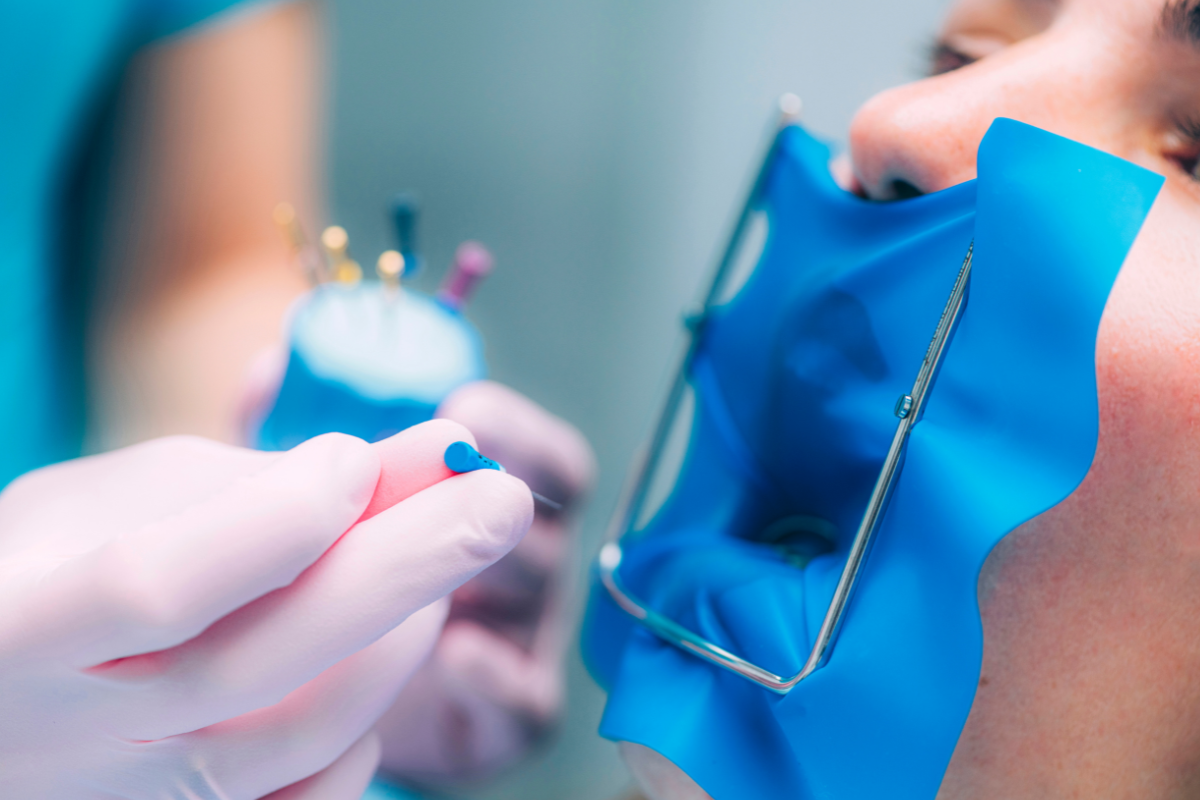
Some tenderness after a root canal is normal, especially during the first few days. The tooth and surrounding tissues may need time to recover, and you might notice mild soreness when chewing or pressure around the treated area. However, pain that gets worse instead of better, swelling, or symptoms that return after improving deserve attention.
So, how do you know whether your discomfort is part of the healing process or a sign that something needs further treatment?
The answer depends on the severity of your symptoms, how long they have lasted, and whether other warning signs are present. Knowing when to contact your dentist can help you avoid unnecessary worry while ensuring that a potential complication is not overlooked.
If you are searching for a Plano emergency dentist because your tooth still hurts after a root canal, Lonestar Dental Group can help you understand your next steps and determine whether you need a prompt dental evaluation.
How Long Should Pain Last After a Root Canal?
A root canal removes inflamed or infected pulp from inside a tooth, cleans and seals the root canals, and helps preserve the natural tooth. Although the procedure treats the source of many toothaches, the tissues surrounding the tooth can remain irritated for a short time afterward.
For many patients, mild soreness or tenderness improves over the first few days. You may notice discomfort when biting down, sensitivity around the treated tooth, or a dull ache near the jaw. These symptoms should generally become less noticeable as healing progresses.
The important thing is the direction your symptoms are moving:
- Mild pain that gradually improves: Often consistent with normal recovery.
- Pain that stays the same or does not improve after several days: Contact your dentist for guidance.
- Pain that becomes more severe or returns after getting better: Arrange a prompt dental evaluation.
- Pain accompanied by swelling, fever, or other concerning symptoms: Seek urgent professional advice.
There is no single recovery timeline that applies to everyone. The tooth’s condition before treatment, the complexity of the procedure, and your individual healing response can all affect how you feel afterward. If you are unsure whether your symptoms are normal, it is safer to contact your treating dentist than to guess.
Warning Signs That Mean You Should Call a Dentist
Not every ache after a root canal signals a complication. However, some symptoms deserve more attention than routine tenderness.
1. Severe or worsening tooth pain
If your pain is becoming more intense instead of gradually easing, contact your dentist promptly. The same applies if pain interferes with sleeping, eating, or normal daily activities.
Worsening discomfort may have several causes, including persistent inflammation, a problem with the bite, or an issue that needs further treatment. Only a dental examination can help identify the cause.
Do not assume that severe pain is simply part of the healing process because the root canal has already been completed.
2. Swelling around the tooth, gum, or face
Swelling near the treated tooth is an important warning sign, especially if it is increasing or accompanied by pain, fever, or a feeling of being unwell.
Contact a dentist urgently if you notice new or worsening swelling. If swelling makes it difficult to breathe or swallow, or spreads rapidly into the face or neck, seek emergency medical care immediately. Do not wait for a routine dental appointment when breathing or swallowing is affected.
3. Pain that returns after it seemed to resolve
You may feel better for a few days and then notice the original toothache returning. This change is worth discussing with your dentist, particularly if the pain becomes persistent or is accompanied by swelling, tenderness, or a bad taste in your mouth.
Symptoms can improve temporarily without the underlying problem being fully resolved. Your dentist can assess whether the tooth is healing as expected or whether additional care is needed.
4. A bite that feels uneven
Does the treated tooth seem to touch first when you close your mouth? Does biting feel uncomfortable even when you are eating soft food?
A filling or temporary restoration that sits too high can sometimes create excess pressure on the treated tooth. This may cause discomfort when chewing or bringing your teeth together.
Contact your dentist if your bite feels uneven after treatment. A clinician can check your bite and determine whether an adjustment is appropriate. Avoid trying to adjust the restoration yourself.
5. A temporary filling or crown comes loose
A root canal may be completed before the tooth receives its final restoration. Depending on the treatment plan, a temporary filling or crown may protect the tooth during this period.
If that temporary restoration falls out, breaks, or becomes noticeably loose, contact your dentist promptly for instructions. The tooth may need protection while you wait for the next step of treatment.
A small amount of surface wear does not necessarily mean the entire filling has come out, but a missing or damaged restoration should not be ignored.
Why Does a Tooth Still Hurt After a Root Canal?
Several factors can contribute to discomfort after treatment. The presence of pain alone does not establish that the root canal failed, so it is important not to jump to conclusions.
Inflammation around the root
Even after the pulp has been removed, the tissues surrounding the root can remain inflamed. This may cause tenderness when chewing or when the tooth is touched.
If the discomfort is mild and steadily improving, it may be part of recovery. If it persists, becomes more intense, or is accompanied by swelling, arrange a follow-up evaluation.
Pressure from the bite
A treated tooth can feel sore when the upper and lower teeth meet if the bite is uneven. This is particularly relevant when discomfort occurs mainly during chewing rather than at rest.
Your dentist can assess how your teeth come together and determine whether the restoration needs adjustment or whether another cause should be investigated.
Persistent or recurrent infection
Root canal treatment is intended to clean and seal the inside of a tooth, but a tooth can occasionally require further care. Complex canal anatomy, reinfection, cracks, or problems with the seal or restoration may contribute to ongoing symptoms.
Warning signs may include persistent pain, returning toothache, gum swelling, or a pimple-like bump on the gum near the tooth. These symptoms need professional assessment rather than home treatment alone.
A crack or damage to the tooth
Sometimes the tooth has a crack or structural weakness that contributes to pain, even after the root canal itself has been completed. A tooth that hurts when biting or releasing pressure should be evaluated, especially if the discomfort continues.
Your dentist may need to examine the tooth and restoration and take dental X-rays or other appropriate images to understand what is happening.
The final crown or restoration is not yet in place
Some root canal-treated teeth need a permanent filling or dental crown to protect them from further damage. If you have a temporary restoration, follow your dentist’s instructions about eating and scheduling the final restoration.
A root canal does not eliminate the need for follow-up care. Completing the recommended restoration helps protect the treated tooth, although the appropriate option depends on how much natural tooth structure remains.
What Can You Do at Home While You Wait for Your Appointment?
Home care may help you stay more comfortable while you arrange an evaluation, but it should not replace professional care when symptoms are severe, worsening, or accompanied by warning signs.
Consider the following steps:
- Follow your dentist’s instructions. Take prescribed or recommended medication only as directed. Do not increase doses or combine medications without checking whether it is safe for you.
- Avoid putting excess pressure on the tooth. Choose softer foods and chew on the opposite side if doing so is comfortable.
- Keep your mouth clean. Brush and floss gently, taking care around the treated area and any temporary restoration.
- Protect the temporary filling or crown. Avoid hard, crunchy, or sticky foods that could damage or dislodge it.
- Track your symptoms. Note when the pain started, whether it is improving, and whether you have swelling, fever, or discomfort when biting.
Do not place aspirin directly on the tooth or gums, use leftover antibiotics, or try to repair a restoration yourself. These approaches can cause harm or delay appropriate treatment.
If the pain is severe or getting worse, do not rely on home remedies while waiting to see whether it disappears.
What Happens When You Visit an Emergency Dentist in Plano?
If you have persistent pain after root canal therapy, an emergency dental evaluation can help determine whether you need immediate treatment or a scheduled follow-up.
When you contact a Plano emergency dentist, explain that you recently had a root canal and describe your current symptoms. Mention when the procedure was performed, whether you have a temporary or permanent crown, and whether the pain is improving or worsening.
At your appointment, the dental team may:
- Review your symptoms and treatment history. They will ask when the pain began, how it feels, and whether you have noticed swelling or other changes.
- Examine the treated tooth and surrounding tissues. This may include checking the gums, restoration, and how your teeth meet when you bite.
- Take dental X-rays when indicated. Imaging can help assess the root and surrounding structures, although some problems may require additional evaluation.
- Discuss the next steps. Depending on the findings, treatment may involve adjusting the bite, repairing or replacing a restoration, monitoring healing, or referring you to an endodontist for specialized care.
Not every patient with post-root-canal pain needs another root canal or an extraction. Treatment depends on the underlying cause, which is why an examination matters.
At Lonestar Dental Group, our emergency dentistry services help patients in Plano address urgent dental concerns. Our team can evaluate your symptoms and discuss the appropriate next step based on your dental needs.
Frequently Asked Questions
1. Is it normal for a tooth to hurt a week after a root canal?
Mild discomfort should generally improve over the first few days. If pain continues for a week, does not improve, or becomes worse, contact your dentist for an evaluation. The length of recovery varies, so the severity and progression of your symptoms matter.
2. Can a root canal fail if the tooth still hurts?
Not necessarily. Temporary inflammation, bite pressure, or other issues can cause discomfort after treatment. Persistent or returning pain may indicate a problem that needs attention, but only a dental examination can help determine the cause.
3. Should I see an emergency dentist for pain after a root canal?
Seek prompt dental care if pain is severe, worsening, or accompanied by swelling, fever, or a returning infection-like symptom. If you have difficulty breathing or swallowing because of swelling, seek emergency medical care immediately.
4. Can I take pain medication after a root canal?
Your dentist may recommend an appropriate over-the-counter pain reliever or prescribe medication based on your situation. Follow the instructions provided and check with your dentist or pharmacist if you have medical conditions, take other medications, or are unsure what is safe for you.
5. Do I still need a crown after a root canal?
Some treated teeth need a crown or another permanent restoration to protect the remaining tooth structure. The recommendation depends on the tooth’s location, the amount of remaining structure, and its condition. Follow your dentist’s advice about completing the restoration.
Get Help for Persistent Tooth Pain in Plano, TX
Some tenderness after a root canal can be part of normal healing, but severe pain, increasing swelling, an uneven bite, or symptoms that return should not be ignored. Paying attention to these changes can help you get the right care without assuming either that something has gone wrong or that everything is fine.
If you are experiencing ongoing discomfort and need a Plano emergency dentist, Lonestar Dental Group is here to help. Our team provides emergency dental care for patients in Plano, TX, and can assess your symptoms, explain your options, and recommend the next steps based on your needs.
Contact Lonestar Dental Group to discuss your symptoms and arrange an appropriate dental evaluation.