
The Role of Dentists in Oral Cancer Screenings
Oral health is more than having straight teeth or a bright smile. It also involves paying attention to the health of the gums, tongue, and other soft tissues inside the mouth. One of the most important — and sometimes overlooked — aspects of dental care is the early detection of oral cancer. This is where a dentist in Plano, TX plays a crucial role. By incorporating oral cancer screenings into routine dental visits, dentists provide a powerful defense against a disease that often goes unnoticed until it has progressed.
Understanding Oral Cancer
Oral cancer can affect the lips, tongue, cheeks, floor of the mouth, palate, and throat. According to the American Cancer Society, thousands of new cases are diagnosed each year in the United States. Unfortunately, many cases are found at later stages, when treatment becomes more complex.
The good news is that when caught early, oral cancer is highly treatable. This is why oral cancer screenings during routine dental checkups are so valuable — they give patients a better chance at early diagnosis and effective care.
Why Dentists Are Key in Early Detection
Dentists are often the first healthcare professionals to notice unusual changes in the mouth. During a regular exam, a Plano dentist doesn’t just check for cavities or gum disease; they also carefully examine soft tissues, looking for abnormalities such as:
-
Red or white patches on the gums or tongue
-
Persistent sores that do not heal
-
Thickening of tissues in the mouth
-
Unexplained lumps or swelling
-
Chronic hoarseness or difficulty swallowing
Because dentists see their patients every six months for checkups, they are in a unique position to detect early warning signs that might otherwise be missed.
The Screening Process
An oral cancer screening is simple, quick, and painless. A dentist in Plano will:
-
Visually examine the inside of the mouth for unusual spots or sores.
-
Gently feel around the jaw, neck, and oral tissues for lumps.
-
Ask about symptoms such as soreness, voice changes, or difficulty chewing.
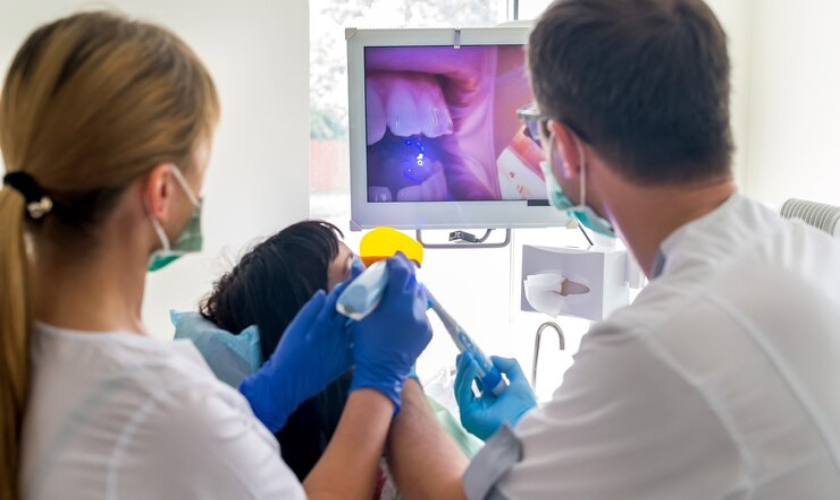
Some clinics may also use special lights or advanced tools to highlight areas that could indicate abnormal tissue growth.
Risk Factors for Oral Cancer
While oral cancer can affect anyone, certain factors increase risk, including:
-
Tobacco use (smoking and smokeless)
-
Heavy alcohol consumption
-
Human papillomavirus (HPV) infection
-
Prolonged sun exposure (particularly for lip cancer)
-
Family history of cancer
-
Age over 40
Knowing these risks, dentists help educate patients and encourage preventive measures alongside regular screenings.
Why Regular Dental Visits Matter
Skipping dental checkups means missing the chance to catch oral cancer at its earliest stages. For many Plano residents, a routine exam at Lonestar Dental Group is more than just a cleaning — it’s a life-saving opportunity.
By making dental visits a priority, patients gain peace of mind knowing their oral health is being monitored not just for cavities, but for potential warning signs of serious disease.
Conclusion
Oral cancer is a serious condition, but when caught early, it can often be treated successfully. Dentists are at the front line of early detection, using routine checkups to screen for warning signs that might otherwise go unnoticed. For patients, the message is clear: staying consistent with regular dental visits could make a life-changing difference.
If it has been more than six months since your last dental checkup, now is the perfect time to schedule one. A visit to Lonestar Dental Group in Plano, TX not only keeps your teeth and gums healthy but also ensures you receive the critical benefit of oral cancer screening. Your smile — and your health — deserve that level of care.