
Sleep Apnea in Seniors: Challenges and Solutions
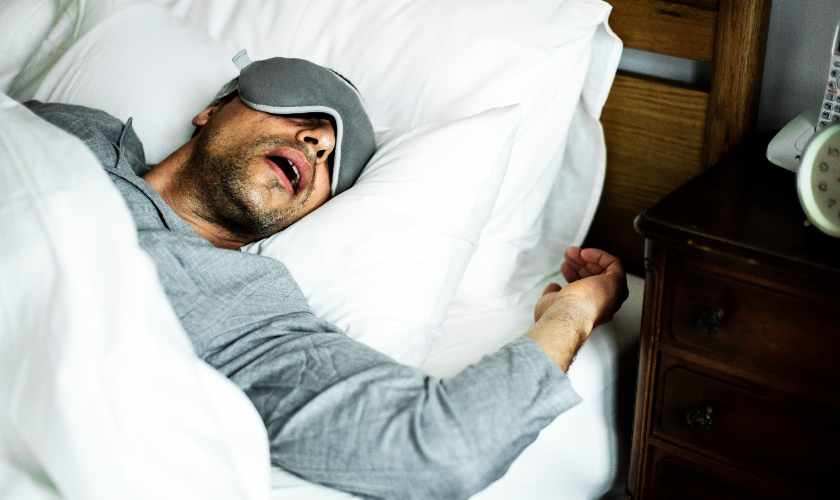
As we age, quality sleep becomes more essential — yet harder to achieve. Many seniors struggle with sleep apnea, a condition that causes breathing interruptions during sleep. What often starts as loud snoring or restless nights can turn into a serious health issue affecting heart health, memory, and daily energy levels.
At Lonestar Dental Group in Plano, TX, understanding how sleep apnea impacts older adults and the available treatment options is key to improving both sleep and overall well-being.
Understanding Sleep Apnea
Sleep apnea is a sleep disorder where breathing repeatedly stops and starts during rest. The most common form, obstructive sleep apnea (OSA), occurs when the airway becomes partially or fully blocked.
In seniors, natural changes in muscle tone, weight fluctuations, and other age-related health conditions can increase the risk. It’s estimated that nearly one in four adults over 60 may experience some form of sleep-disordered breathing.
Common Causes of Sleep Apnea in Seniors
As people age, several factors can contribute to the development or worsening of sleep apnea:
Loss of Muscle Tone: The muscles in the throat and tongue may relax more easily, narrowing the airway during sleep.
Weight Gain: Even slight weight changes can increase pressure on the airway.
Medications: Some sleep aids or sedatives can relax throat muscles, worsening symptoms.
Chronic Conditions: Hypertension, diabetes, and heart disease are commonly linked to sleep apnea in older adults.
Anatomical Factors: A smaller jaw, enlarged tonsils, or nasal blockages can also contribute to airway obstruction.
Recognizing the Symptoms
Because sleep apnea develops gradually, it can be easy to overlook. Seniors and their caregivers should watch for these warning signs:
Loud, chronic snoring
Pauses in breathing during sleep (often noticed by a partner)
Morning headaches or dry mouth
Excessive daytime fatigue or irritability
Difficulty concentrating or memory issues
Restless sleep or frequent nighttime awakenings
Ignoring these symptoms can lead to long-term health risks, including heart problems, high blood pressure, and cognitive decline.
How Sleep Apnea Affects Overall Health
The effects of sleep apnea go beyond poor sleep. Repeated drops in oxygen levels strain the heart and brain, increasing the risk of stroke, irregular heartbeat, and mood disorders. For seniors, this can significantly impact balance, reaction times, and overall quality of life.
When left untreated, sleep apnea can also worsen existing conditions like diabetes and dementia, making early diagnosis and management essential.
Dental Solutions for Sleep Apnea
You might be surprised to learn that a Plano dentist can play a crucial role in managing sleep apnea. Dentists trained in sleep dentistry can create oral appliance therapy devices — small, custom-made mouthpieces that help keep the airway open during sleep.
These appliances gently shift the lower jaw and tongue forward, preventing airway collapse. For many seniors, they offer a comfortable and effective alternative to traditional CPAP machines, which can be bulky or difficult to tolerate.
At Lonestar Dental Group, your dentist in Plano TX evaluates your sleep concerns, reviews medical history, and works alongside sleep specialists to determine if a dental device is right for you.
Lifestyle Changes That Support Better Sleep
Along with professional treatment, certain lifestyle adjustments can make a big difference:
Maintain a healthy weight through diet and light exercise.
Sleep on your side instead of your back to keep airways open.
Avoid alcohol and sedatives before bedtime.
Keep consistent sleep and wake times.
Practice gentle breathing exercises or relaxation routines.
These small steps, combined with guidance from your dental and medical team, can significantly reduce symptoms and improve rest quality.
Why Early Detection Matters
The earlier sleep apnea is identified, the more effective treatment will be. Many seniors dismiss snoring or tiredness as part of aging, but it’s important to remember that restful sleep is essential at every age.
By addressing sleep apnea promptly, seniors can protect their heart health, boost energy levels, and enjoy a better quality of life — all starting with a conversation with their Plano dentist.
Conclusion
Sleep apnea is more than just a nighttime nuisance — it’s a serious condition that can affect every aspect of a senior’s health. Recognizing the signs and exploring effective dental solutions can help restore restful sleep and overall well-being.
If you or a loved one in Plano, TX is struggling with restless nights, snoring, or daytime fatigue, it may be time to explore solutions for sleep apnea. Schedule a consultation with Lonestar Dental Group today to learn how personalized dental treatments can help you sleep soundly and live healthier.