
Latest Advancements In Dental Technology In Plano
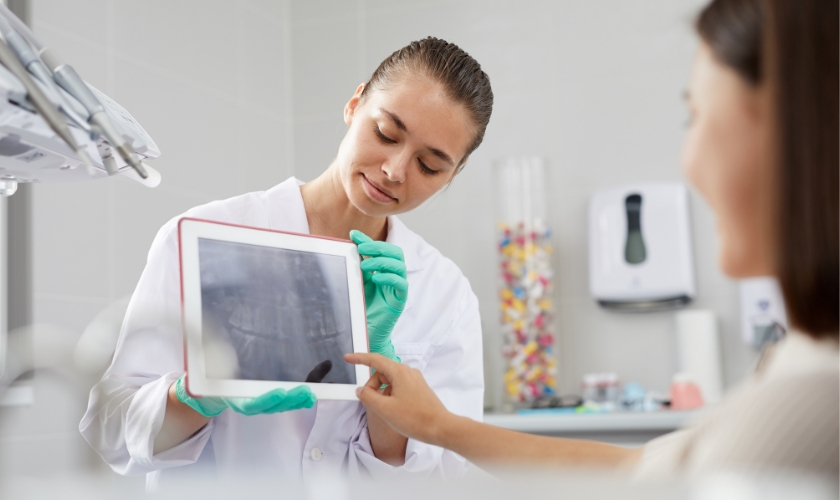
Welcome to our blog, where we dive into the fascinating world of dental technology! In today’s fast-paced and ever-evolving era, it comes as no surprise that even dentistry has embraced advanced technological advancements. Gone are the days of outdated methods and discomfort during dental procedures. With the latest breakthroughs in dental technology, patients can now experience a new level of convenience, precision, and comfort when it comes to their oral health. Join us as we explore some of the most cutting-edge advancements in dentistry right here in Plano! So sit back, relax, and get ready to be amazed by these game-changing innovations that are revolutionizing the way we approach dental care.
Air Abrasion
One of the most exciting advancements in dental technology is air abrasion. This innovative technique involves using a powerful stream of particles to remove decayed tooth structure, eliminating the need for traditional drilling methods. With air abrasion, dentists can precisely target and remove only the damaged areas of a tooth, preserving as much healthy enamel as possible. The process utilizes tiny aluminum oxide particles propelled by compressed air, effectively eroding decay while leaving surrounding teeth untouched.
Not only does air abrasion minimize discomfort during treatment, but it also eliminates the buzzing sound and vibration associated with drills. This makes it an ideal option for patients who are anxious about dental procedures or have sensitive teeth. Another significant benefit of air abrasion is that it often requires little to no anesthesia since it’s less invasive than traditional drilling methods. Patients can enjoy a more comfortable experience without any numbness lingering after their appointment.
Furthermore, because air abrasion is so precise in its removal of decayed tissue, dentists can preserve more natural tooth structure. This means stronger and healthier teeth overall! Air abrasion offers many advantages over conventional drilling techniques – from increased precision to reduced discomfort – making it an invaluable tool in modern dentistry techniques.
Bacterial Analysis
When it comes to dental health, one of the key factors that often gets overlooked is bacteria. These tiny microorganisms can wreak havoc on our teeth and gums if left unchecked. That’s where bacterial analysis comes into play. Using advanced dental technology, dentists in Plano are now able to analyze the types and quantities of bacteria present in your mouth. This information allows them to tailor treatment plans specifically to your needs, targeting the bacteria causing issues and promoting a healthier oral environment.
One such technique used for bacterial analysis is DNA testing. By analyzing samples taken from your mouth, dentists can identify specific strains of harmful bacteria lurking beneath the surface. Armed with this knowledge, they can then develop customized treatments that effectively combat these pesky microbes. Another method gaining popularity is salivary diagnostic tests. By collecting saliva samples and examining them under a microscope, dentists can detect any imbalances or abnormalities in your oral microbiome – the community of microorganisms living in your mouth.
By utilizing bacterial analysis techniques like DNA testing and salivary diagnostic tests, dentists are taking proactive steps towards better understanding their patients’ oral health needs. With this valuable insight at hand, they can provide targeted treatments that address underlying causes rather than just symptoms. So next time you visit your dentist in Plano, don’t be surprised if they recommend a bacterial analysis as part of your check-up routine! It’s just another example of how advanced dental technology is revolutionizing oral care and putting smiles back on people’s faces – literally!
Cavity Detection Device
One of the latest advancements in dental technology is the cavity detection device. This innovative tool allows dentists to detect cavities at their earliest stages, even before they are visible to the naked eye. Gone are the days of relying solely on X-rays and visual inspections. The cavity detection device uses a special laser or fluorescent light that can identify areas of tooth decay with precision and accuracy. It works by emitting a wavelength that causes healthy enamel to reflect light while decayed areas absorb it. The dentist then examines the images produced by the device to determine if there are any signs of cavities.
This technology has revolutionized how dentists diagnose and treat cavities. By detecting them early, dentists can intervene before significant damage occurs, potentially saving patients from more invasive procedures such as root canals or extractions. Moreover, this advanced technology also helps in preventing unnecessary drilling into healthy teeth. Dentists can now focus their treatment on only those areas where decay is present, minimizing discomfort for patients and preserving natural tooth structure whenever possible.
Cavity detection devices have greatly improved dental care by enabling earlier diagnosis and targeted treatment plans for patients. With continued advancements in dental technology like this one, we can look forward to a future with fewer cavities and healthier smiles!
Conclusion
As we can see, dental technology has come a long way in recent years, and the advancements continue to amaze us. With air abrasion, bacterial analysis, and cavity detection devices leading the charge, dentists in Plano are equipped with the latest tools to provide their patients with top-notch care. The future of dental technology looks promising as researchers and innovators continue to push boundaries. From advancements in digital imaging techniques to robotic-assisted surgeries, there’s no doubt that we’ll witness even more exciting breakthroughs in the coming years. Book an appointment today and experience firsthand how advanced dental technology is transforming dentistry in Plano! Your smile deserves nothing less than exceptional care powered by state-of-the-art equipment.