
Invisalign vs Braces: Complaints, Comfort & Results Compared
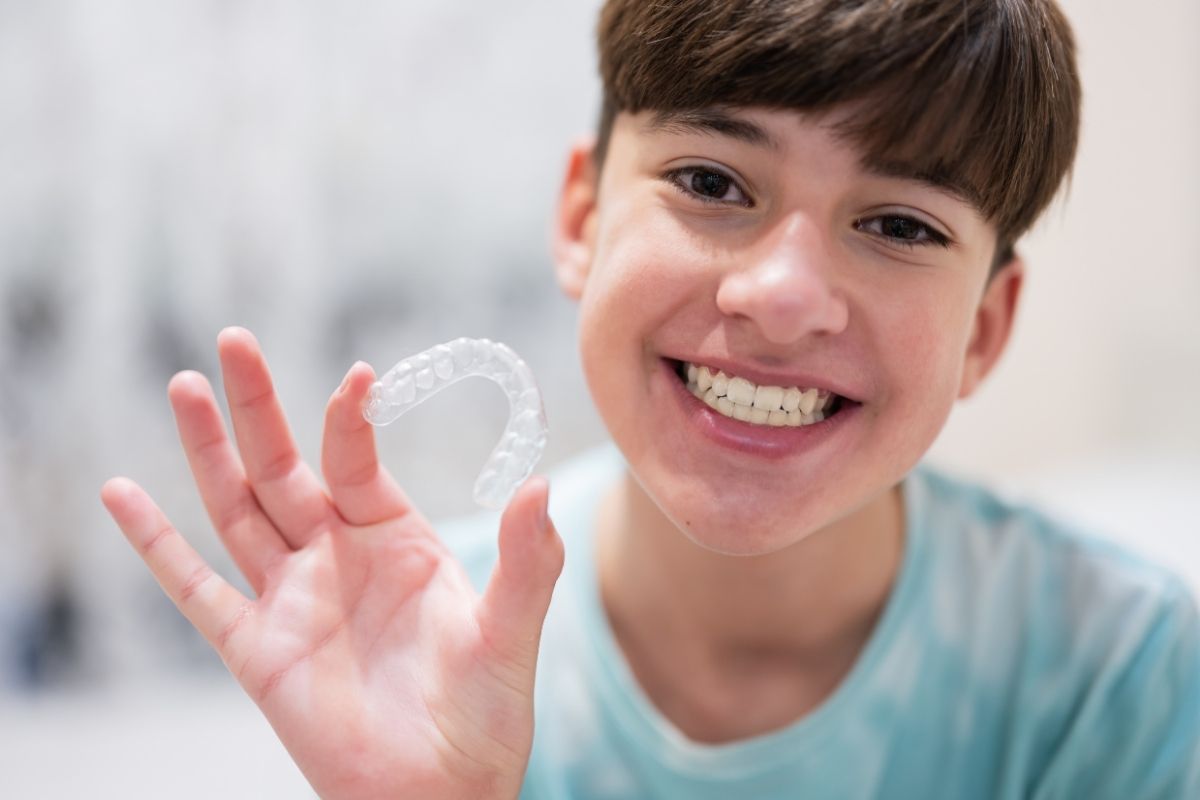
Choosing how to straighten your teeth isn’t always straightforward. Many patients in Plano, as well as nearby areas like Frisco, Allen, and McKinney, often compare modern clear aligners with traditional braces before making a decision. Each option comes with its own set of benefits, challenges, and expectations. If you’re considering Invisalign treatment in Plano, understanding how these two approaches differ in terms of comfort, common complaints, and overall results can help you feel more confident about your next step toward a healthier, straighter smile.
Understanding the Two Treatment Options
Both braces and clear aligners are designed to correct alignment issues, improve bite function, and enhance your smile.
Braces use a system of brackets and wires attached to the teeth, applying continuous pressure to guide movement over time. Adjustments are made regularly to ensure steady progress.
Clear aligners use a series of custom-made trays that gradually shift teeth. Each set is worn for a specific period before moving to the next stage. These trays are created using digital scans for a more personalized approach.
While both methods are effective, they differ significantly in how patients experience treatment day to day.
Comparing Comfort: What Patients Actually Feel
Comfort is one of the most discussed differences when comparing these two options.
Braces can irritate, especially at the beginning or after adjustments. The brackets and wires may rub against the inner cheeks, leading to soreness for a few days.
Clear aligners are made of smooth plastic, which generally reduces irritation. Most patients report feeling gentle pressure rather than sharp discomfort. However, switching to a new set of aligners can still cause temporary tightness.
In both cases, mild discomfort is expected as it’s part of the process of moving teeth into better alignment.
Appearance: Subtle vs Noticeable
Appearance often influences the decision, especially for adults and teens.
Clear aligners are designed to be nearly invisible, making them a discreet option for those who prefer a more subtle look. This is why many patients refer to them as invisible braces when comparing their aesthetic appeal.
Braces, while more visible, now come in different styles, such as ceramic or tooth-colored options that reduce their appearance. Even so, they remain more noticeable than aligners.
Your choice here depends on how important discretion is in your daily life.
Daily Routine and Lifestyle Differences
Your everyday habits will be slightly different depending on the treatment you choose.
With braces, certain foods like sticky or hard items should be avoided to prevent damage. Cleaning requires extra care, as food particles can get trapped around brackets and wires.
Aligners are removable, allowing you to eat freely. You simply take them out during meals and brush before putting them back in. This makes maintaining oral hygiene easier for many patients.
However, aligners require consistency. Wearing them for the recommended hours each day is essential to achieve the desired results.
Treatment Effectiveness and Results
Both options are capable of delivering excellent outcomes, but they are suited to different types of cases.
Braces are highly effective for complex orthodontic issues, including severe crowding, bite problems, and significant misalignment. They provide precise control over tooth movement.
Clear aligners are typically recommended for mild to moderate alignment concerns. They can effectively correct spacing, minor crowding, and some bite issues.
In certain situations, a dentist may recommend starting with braces and finishing with aligners for optimal results.
Time and Commitment: What to Expect
Treatment timelines vary depending on individual needs, but commitment plays a key role in success.
Braces work continuously since they are fixed in place, which means results don’t depend on patient compliance as much. However, they do require regular in-office adjustments.
Aligners offer more flexibility, with fewer visits in many cases. But their success depends on wearing them consistently each day. Skipping wear time can delay progress and affect final results.
Choosing between the two often comes down to whether you prefer convenience or a more hands-off approach.
Common Complaints Patients Share
Understanding common concerns can help set realistic expectations before starting treatment.
With braces, patients often mention:
- Difficulty cleaning around brackets
- Food restrictions
- Occasional irritation from wires
With aligners, common complaints include:
- Needing to remember to wear them consistently
- Removing them when eating or drinking
- Keeping track of the trays
Being aware of these factors can help you stay prepared and committed throughout your treatment journey.
Which Option Fits You Best?
There is no one-size-fits-all answer when it comes to choosing between braces and aligners. The right choice depends on your dental needs, lifestyle, and personal preferences.
A professional evaluation is essential to determine which treatment will provide the most effective and lasting results. According to the American Dental Association, individualized orthodontic care plays a key role in achieving safe and successful outcomes.
Taking the time to understand your options ensures you make a decision that supports both your oral health and your daily routine.
Conclusion
When comparing braces and clear aligners, it’s important to look beyond just appearance. Comfort, daily habits, treatment complexity, and long-term results all play a role in finding the right solution for your smile. Both options are effective, but the best choice depends on your unique needs and level of commitment.
If you’re exploring your options in Plano or nearby communities, the team at Lonestar Dental Group can help you make an informed decision. Contact us today to schedule your consultation and take the first step toward a confident, healthy smile.