
Can You Get Cosmetic Dentistry if You Have Sensitive Teeth?
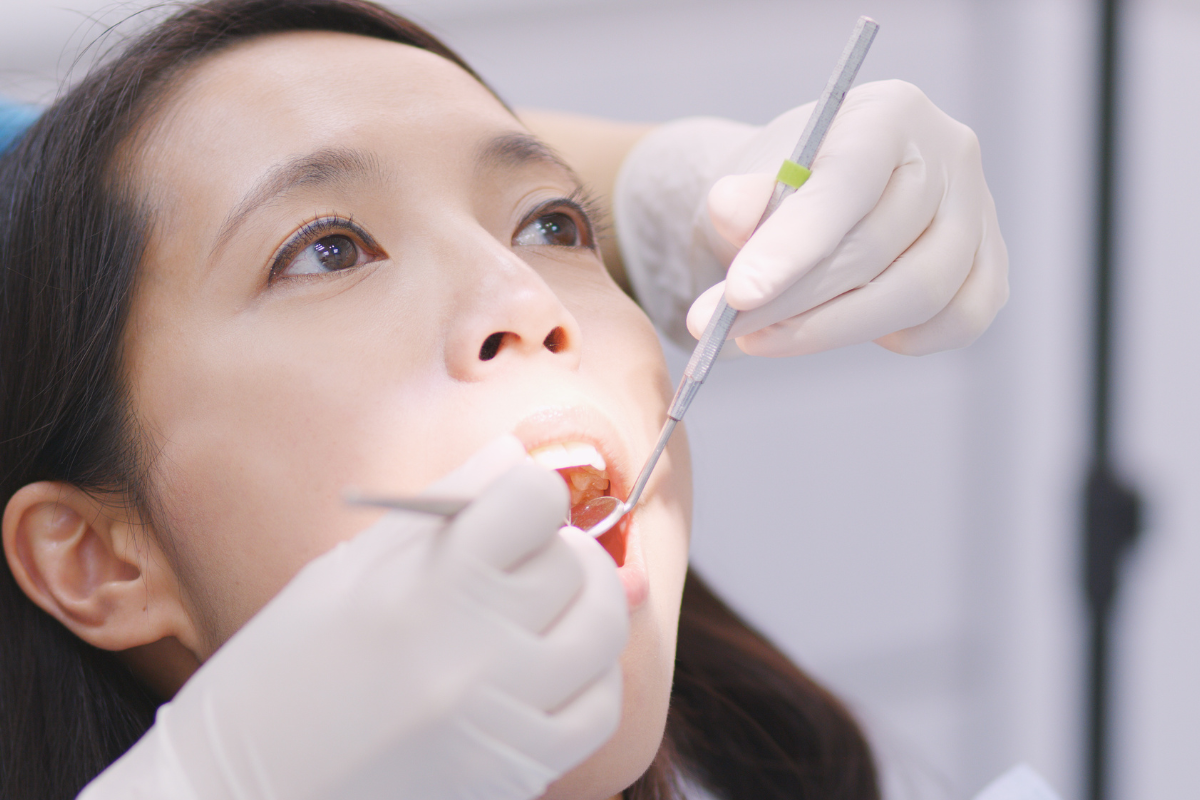
If you wince when drinking cold water, feel discomfort while eating ice cream, or avoid certain foods because your teeth hurt, you may wonder whether cosmetic dentistry is right for you. You might want a brighter smile, smoother tooth edges, or a more even appearance, but the thought of making your sensitivity worse can be discouraging.
The good news is that having sensitive teeth does not automatically mean you have to give up on improving your smile. Many people with tooth sensitivity can explore cosmetic dental treatments. The right approach depends on what is causing the discomfort, the condition of your teeth and gums, and the results you hope to achieve.
If you are considering treatment, a consultation with a Plano cosmetic dentist can help you understand which options may suit your needs and whether your sensitivity should be addressed first.
At Lonestar Dental Group, we provide cosmetic dental services designed to enhance the appearance of your smile. Understanding your concerns and evaluating your oral health are important steps toward choosing treatment that balances appearance, comfort, and long-term dental health.
Why Do Teeth Become Sensitive?
Tooth sensitivity occurs when the protective enamel becomes thinner or the underlying dentin is exposed. Dentin contains microscopic channels that can transmit sensations toward the nerve inside a tooth, making certain foods and drinks uncomfortable.
You may notice sensitivity when consuming:
- Cold water, ice cream, or chilled beverages
- Hot coffee, tea, or soup
- Sweet foods and acidic drinks
- Foods that require pressure when chewing
- Air passing over exposed areas of your teeth
Several factors can contribute to these symptoms.
Common causes of tooth sensitivity
Enamel wear: Brushing too aggressively, frequent exposure to acidic foods and drinks, or other forms of enamel erosion can leave teeth more vulnerable to temperature changes.
Gum recession: When gum tissue pulls away from the teeth, the roots may become exposed. Root surfaces do not have the same protective enamel covering as the visible crowns of your teeth.
Cavities or cracked teeth: Sensitivity affecting one particular tooth may indicate decay, a crack, or another dental problem that needs attention before elective cosmetic treatment.
Teeth grinding: Clenching or grinding can wear down tooth surfaces and contribute to sensitivity, particularly around the edges of teeth.
Recent dental treatment: Some procedures, including whitening and certain restorative treatments, can cause temporary sensitivity.
Identifying the cause matters because sensitivity is a symptom, not a diagnosis. A dentist can examine your teeth and gums to determine whether you need preventive care, treatment for an underlying problem, or a modified cosmetic treatment plan.
Can You Get Cosmetic Dentistry With Sensitive Teeth?
Yes, in many cases. The important consideration is whether your teeth and gums are healthy enough for the proposed procedure and whether the treatment could aggravate your symptoms.
For example, someone with mild, occasional sensitivity caused by exposed dentin may have different treatment options from someone experiencing persistent pain due to tooth decay or a cracked tooth.
Your dentist may recommend treating the source of sensitivity before moving forward. Depending on the findings, this could involve treating cavities, addressing gum problems, applying a professional desensitizing product, or discussing ways to reduce enamel wear.
Once the underlying issue is managed, you may be able to proceed with an appropriate cosmetic treatment.
The goal is not simply to make your teeth look better. It is to select an approach that respects your existing dental health and helps you make an informed decision about your smile.
Which Cosmetic Dentistry Treatments May Be Suitable for Sensitive Teeth?
Not all cosmetic procedures affect teeth in the same way. Some change the color of natural enamel, while others cover small imperfections or alter the shape of a tooth.
Understanding these differences can help you prepare for a consultation.
1. Professional teeth whitening
Professional teeth whitening can improve the appearance of stained or discolored natural teeth. However, it deserves special consideration if your teeth are already sensitive.
Whitening products commonly use hydrogen peroxide or carbamide peroxide to break down stains. These ingredients can temporarily increase tooth sensitivity in some patients.
If you already experience discomfort with cold drinks, tell your dentist before beginning treatment. Depending on your oral health and sensitivity level, your dentist may discuss options such as:
- Addressing cavities, gum problems, or exposed root surfaces before whitening
- Using an appropriate whitening product or a lower-concentration formula when suitable
- Considering a gradual, dentist-supervised whitening approach
- Following a recommended desensitizing routine before or after treatment
- Adjusting or pausing treatment if sensitivity develops
Professional supervision can help you choose a suitable approach, but it cannot guarantee that whitening will be completely sensitivity-free.
It is also important to understand that whitening changes the color of natural teeth, not existing crowns, veneers, or tooth-colored fillings. If you have visible restorations, discuss shade matching before starting treatment.
The American Dental Association identifies temporary tooth sensitivity as a common adverse effect of vital tooth whitening.
2. Cosmetic dental bonding
Dental bonding uses tooth-colored composite resin to improve the appearance of selected teeth. It may help repair minor chips, reshape uneven edges, close certain small gaps, or conceal some discoloration.
For patients with sensitivity, bonding may be worth discussing when the concern involves a localized area of exposed dentin or a worn tooth surface. In some situations, covering the affected area can help protect it from external triggers.
However, bonding is not a universal solution for sensitivity. The dentist must determine whether the discomfort comes from a condition that bonding can appropriately address.
One advantage of bonding is that many cases require relatively little alteration of the natural tooth compared with some other cosmetic treatments. The amount of preparation depends on the tooth and the desired result.
Ask your dentist whether bonding could address your cosmetic concern while preserving as much healthy tooth structure as possible.
3. Porcelain veneers
Porcelain veneers are thin, custom-made coverings bonded to the front surfaces of teeth. They can improve the appearance of selected teeth by addressing concerns such as discoloration, minor chips, uneven shapes, and certain gaps.
But veneers require careful planning when sensitivity is already present.
Many traditional veneer treatments involve removing a small amount of enamel to accommodate the restoration. Depending on the tooth’s condition and the amount of preparation needed, this process may cause or worsen sensitivity.
Before recommending veneers, your dentist should evaluate your enamel, existing restorations, bite, and gum health. Active decay and significant gum disease generally need to be addressed before elective veneer treatment.
Veneers may be appropriate for some patients with sensitivity, but they should not be selected simply to cover up unexplained pain. They also do not eliminate the need for ongoing oral hygiene and routine dental examinations.
4. Tooth reshaping and other smile improvements
Minor tooth reshaping may help smooth selected uneven edges, depending on the amount of enamel involved and the condition of the teeth.
However, removing enamel from a tooth that already has significant wear or sensitivity may not be appropriate. Your dentist should assess whether reshaping can achieve the desired result without compromising the tooth.
Other smile improvements, including a personalized combination of cosmetic treatments, may be considered after your dental health has been evaluated.
The best choice depends on your specific concern. A treatment that works well for discoloration may not be the right solution for worn enamel, and a procedure intended to improve appearance may not address the underlying reason a tooth hurts.
How Can You Reduce Sensitivity Before Cosmetic Treatment?
If sensitivity is making you hesitant about cosmetic dentistry, there are practical steps you can take before your appointment.
Use a desensitizing toothpaste
Toothpaste formulated for sensitive teeth may help reduce discomfort when used consistently as directed. Some products work by reducing the transmission of sensations through exposed dentin, while others help block the pathways associated with sensitivity.
Give your dentist a list of the products you currently use, particularly if your sensitivity persists despite changing toothpaste.
Brush gently with a soft-bristled toothbrush
Brushing harder does not make your teeth cleaner. Excessive pressure can contribute to gum recession and enamel wear.
Use a soft-bristled toothbrush, gentle pressure, and fluoride toothpaste. Your dentist or hygienist can also review your brushing technique if abrasion or gum recession is a concern.
Limit frequent acidic exposure
Acidic beverages and foods, including soda and citrus drinks, can contribute to enamel erosion when consumed frequently. Consider limiting repeated exposure and rinsing with water afterward.
Avoid brushing immediately after consuming acidic foods or drinks. Waiting about an hour gives saliva time to help neutralize acids and allows softened enamel to recover before brushing.
Tell your dentist about your symptoms
Before any cosmetic procedure, explain what triggers your sensitivity, which teeth are affected, and how long the discomfort lasts.
This information helps your dentist distinguish occasional sensitivity from symptoms that may need further investigation.
Do not attempt to push through significant pain during whitening or another procedure. Let your dental team know if discomfort develops so they can assess whether treatment should be adjusted or stopped.
When Should You Treat Sensitivity Before Cosmetic Dentistry?
Some sensitivity may be manageable alongside cosmetic treatment. Other symptoms suggest that the priority should be diagnosing and treating an underlying dental problem.
Arrange a dental evaluation before elective cosmetic treatment if you notice:
- Sharp or persistent pain in one tooth
- Pain when biting or chewing
- Sensitivity that lingers after hot or cold exposure
- Visible cavities, cracks, or damaged fillings
- Swollen or bleeding gums
- Exposed roots accompanied by worsening discomfort
These symptoms can have different causes, so an examination is needed to determine the appropriate response. Facial swelling, fever with dental pain, or difficulty swallowing or breathing warrants urgent medical or dental attention, with emergency care for breathing or swallowing difficulty.
Treating a problem first may change which cosmetic options are appropriate. For example, a tooth with significant structural damage may need restorative treatment rather than a procedure intended only to improve its appearance.
What to Expect During a Cosmetic Dentistry Consultation in Plano
If you are considering cosmetic dentistry but worry about sensitivity, your first appointment should help clarify your options rather than commit you to a particular procedure.
At Lonestar Dental Group in Plano, your consultation can be an opportunity to discuss your smile goals and the symptoms affecting your daily comfort.
Depending on your needs, the evaluation may include:
A review of your dental history: Your dentist may ask when the sensitivity began, which triggers cause discomfort, and whether you have had similar problems after previous dental treatments.
An examination of your teeth and gums: This helps identify potential concerns such as cavities, enamel wear, gum recession, damaged restorations, or signs of grinding.
Diagnostic testing when indicated: Your dentist may recommend X-rays or other assessments if needed to investigate a suspected dental problem.
A discussion of treatment options: Once your dental health has been evaluated, you can discuss suitable cosmetic procedures, possible sensitivity risks, expected maintenance, and alternatives.
A personalized treatment sequence: If you need treatment for an underlying condition first, your dentist can explain how that may affect the timing of cosmetic work.
For patients in Plano, this step-by-step approach can make the decision less overwhelming. You can discuss what you want to change, what concerns you most, and which options may be reasonable for your individual circumstances.
Is Cosmetic Dentistry Worth Considering if Your Teeth Are Sensitive?
Sensitive teeth do not automatically rule out a smile makeover. The key is choosing treatment based on the condition of your teeth rather than focusing on appearance alone.
If discoloration is your main concern, your dentist may discuss whether supervised whitening is appropriate or whether another approach would be better. If you have small chips or uneven edges, bonding may be worth considering. Veneers may suit certain cosmetic goals, but they require a careful assessment of enamel, gum health, and bite.
It is also reasonable to take a gradual approach. You do not necessarily need to change every aspect of your smile at once. Addressing sensitivity, understanding your options, and deciding which improvements matter most can help you make a more confident choice.
Frequently Asked Questions
1. Can I whiten my teeth if they are already sensitive?
Possibly. Your dentist should first identify the cause and severity of your sensitivity. Depending on the findings, a modified whitening plan or an alternative cosmetic treatment may be more appropriate.
2. Are veneers a good option for people with sensitive teeth?
They may be suitable for some patients, but the decision depends on enamel thickness, existing dental problems, gum health, and the preparation required. Veneers can sometimes increase sensitivity, so unexplained discomfort should be evaluated first.
3. Can dental bonding help with sensitive teeth?
In selected cases, bonding may cover exposed or worn tooth surfaces and help reduce discomfort. However, sensitivity caused by decay, cracks, or other underlying problems requires appropriate diagnosis and treatment.
4. Should I treat sensitive teeth before getting cosmetic dentistry?
If sensitivity is caused by cavities, gum disease, cracks, or another active dental problem, that issue should generally be addressed before elective cosmetic treatment. Your dentist can help determine the appropriate order of care.
5. How do I find a cosmetic dentist in Plano, TX, if I have sensitive teeth?
Look for a dental practice that evaluates your oral health, explains the benefits and limitations of different procedures, discusses sensitivity risks, and tailors recommendations to your needs. During your consultation, ask how the proposed treatment may affect your existing symptoms and what alternatives are available.
Improve Your Smile With a Personalized Plan
You should not have to choose between feeling comfortable and feeling confident about your smile. With the right evaluation and a treatment plan tailored to your dental health, cosmetic improvements may still be possible even if your teeth are sensitive.
At Lonestar Dental Group, we provide cosmetic dentistry services, including teeth whitening, cosmetic bonding, porcelain veneers, and smile design, to help patients explore ways to improve their smiles. Our team can help you understand your options and determine what may be appropriate for your needs.
If you are looking for a Plano cosmetic dentist, contact Lonestar Dental Group in Plano, TX, to schedule a consultation and discuss your smile goals, sensitivity concerns, and potential treatment options.
A healthier, more comfortable smile is a better place to start.