
Can Yellow Teeth Become White?
A gleaming, white smile is something everyone wants, but yellow teeth can often dull that confidence. Over time, factors like diet, aging, and habits such as smoking can cause teeth to lose their shine and turn yellow. Fortunately, yellow teeth can become white again with the right approach! In this blog, we’ll explore the causes of yellow teeth, preventive measures, and the best options for whitening your teeth.
Why Do Teeth Turn Yellow?
Before diving into how to whiten your teeth, it’s important to understand what causes yellowing in the first place. The most common reasons include:
Diet and Beverages
Teeth stains can occur from specific meals and beverages. Dark-colored beverages such as coffee, tea, wine, and soda can lead to discoloration over time. Foods like berries, sauces, and even some spices can have the same effect.
Poor Oral Hygiene
Inadequate brushing and flossing allow plaque and tartar to build up on the surface of your teeth, which can cause them to turn yellow. Plaque is soft and sticky, making it easier for stains to stick. Hardened plaque or tartar can only be removed professionally.
Aging
As you age, the outer layer of enamel on your teeth naturally wears down, revealing the yellowish dentin beneath. This is why older adults often experience more noticeable discoloration, even if they maintain good oral hygiene.
Tobacco Use
Smoking and chewing tobacco are significant contributors to yellow teeth. Nicotine and tar in tobacco products penetrate the enamel, causing deep stains that are difficult to remove with regular brushing.
Medications and Health Conditions
Some medications, especially antibiotics like tetracycline, can cause teeth to discolor if taken during tooth development. In addition, certain health conditions or treatments, such as radiation and chemotherapy, can also lead to yellow teeth.
How to Whiten Yellow Teeth?
Thankfully, there are several ways to address yellow teeth and restore their natural whiteness. Some methods are quick and effective, while others may require more time and professional care. Here are a few of the most effective strategies:
Professional Teeth Whitening at the Dentist
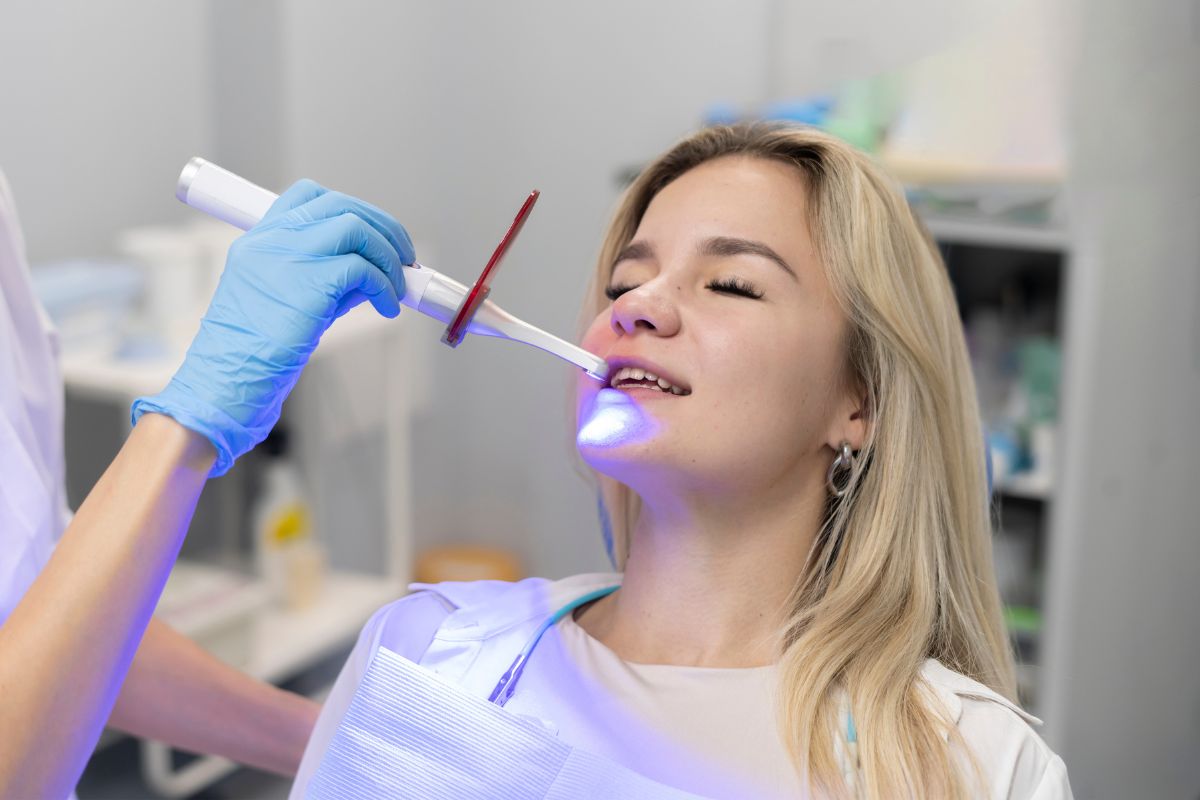
One of the most effective methods for whitening yellow teeth is professional teeth whitening. This service uses a high-concentration bleaching agent that can significantly lighten your teeth in just one session. Professional whitening treatments are tailored to your specific needs, ensuring safety and maximum results. Whether it’s in-office or through custom take-home trays, professional treatments yield quicker and more lasting results compared to over-the-counter products.
Routine Dental Cleanings
Routine dental cleanings are crucial in maintaining the natural color of your teeth. Although not technically a whitening treatment, cleanings remove plaque and tartar buildup contributing to yellowing. Scheduling regular cleanings at least twice yearly ensures that your teeth remain bright and free of surface stains.
Maintaining Good Oral Hygiene
Maintaining good oral hygiene is critical to preventing further yellowing and keeping your teeth bright. It is important to brush at least twice daily and floss daily. Using toothpaste with whitening agents can help reduce surface stains, while flossing removes food particles that could lead to plaque buildup.
Avoiding Staining Foods and Beverages
If you want to maintain your bright smile after whitening, it’s important to limit your intake of foods and beverages known to stain teeth. This includes coffee, tea, wine, and dark sauces. If avoiding these altogether isn’t possible, consider drinking through a straw to minimize contact with your teeth or rinsing your mouth with water immediately afterward.
Preventing Yellow Teeth in the Future
Whitening your teeth is just one part of the solution; maintaining your results requires consistent care. Here are some ways you can prevent yellowing:
- Adopt a Whitening Toothpaste: Using a toothpaste formulated for whitening can help keep surface stains at bay.
- Quit Smoking: Tobacco is a major contributor to yellow teeth. Quitting smoking improves oral health and helps maintain a bright smile.
- Drink Plenty of Water: Staying hydrated helps wash away food particles and reduces dry mouth, which can lead to bacteria buildup and discoloration.
- Regular Dental Visits: Be sure to visit your dentist in Plano TX every six months for cleanings and checkups. This helps keep plaque and tartar buildup under control, ensuring your teeth stay white and healthy.
When Should You Seek Professional Help?
If you’ve tried to whiten your teeth at home and aren’t satisfied with the results, it might be time to consider professional help. Professional treatments are designed to deliver more significant and longer-lasting results. A consultation with your dentist will help determine which whitening method is best for your specific needs. Whether it’s in-office treatment or custom take-home trays, a dentist can tailor the procedure to ensure the safest and most effective results.
Yellow teeth don’t have to be permanent. By understanding what causes discoloration and exploring professional treatment options, you can restore your teeth’s natural whiteness and enjoy a more confident smile. If you’re ready to take the first step toward brighter teeth, contact Lonestar Dental Group today to schedule your consultation!