
Can Dentures Safeguard Your Jaw Bones? What You Need to Know
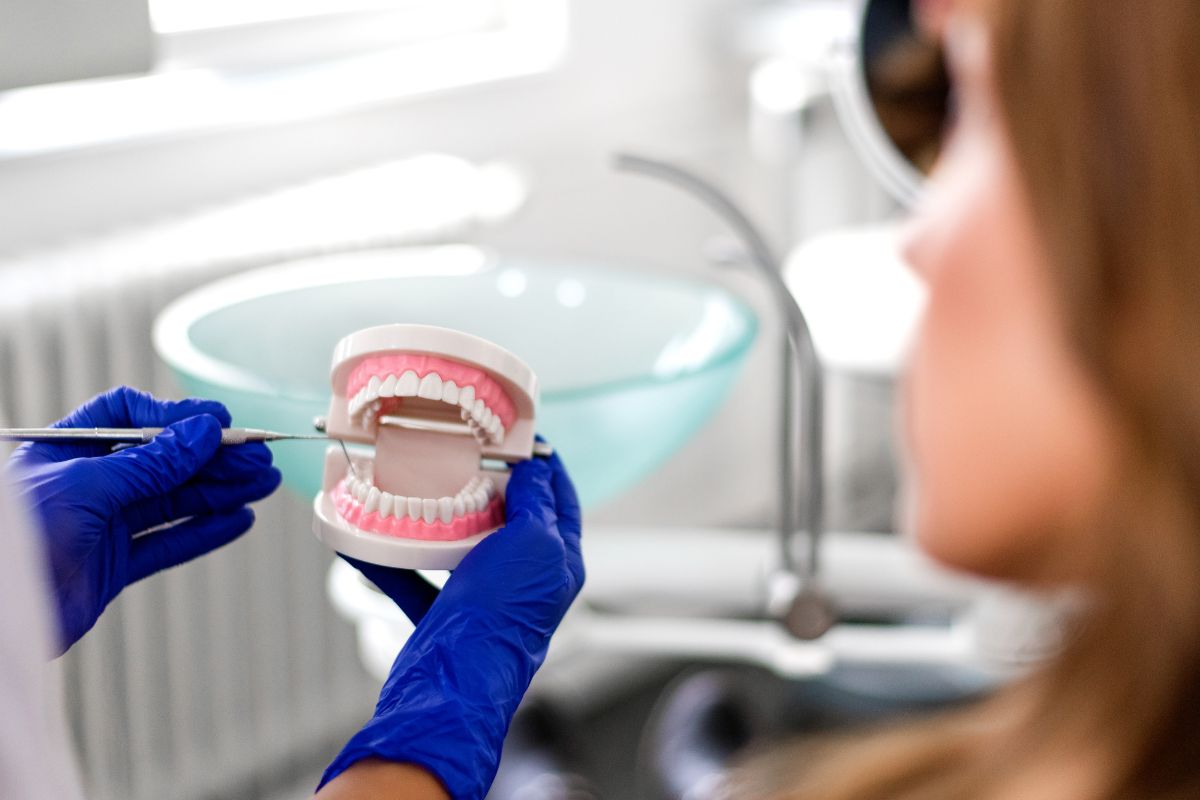
Dentures have long been a reliable solution for individuals who have lost some or all of their teeth. While they restore your smile and chewing function, a question often arises: can dentures also help protect your jaw bones? Understanding the relationship between dentures and jaw bone health is essential for making informed decisions about your oral health. In this blog, we’ll explore how dentures impact your jaw bones and what you need to know to maintain a healthy mouth.
Understanding Jaw Bone Loss
Before diving into how dentures affect jaw bones, it’s important to understand why jaw bone loss occurs in the first place. Your jaw bones rely on the stimulation they receive from your teeth. When you chew or bite, the pressure on your teeth transfers to your jaw bones, keeping them strong and healthy. However, when teeth are missing, that stimulation decreases, leading to bone resorption, where the body starts to break down and absorb the bone tissue, causing the jawbone to shrink over time.
How Dentures Interact with Jaw Bones
Dentures are designed to replace missing teeth, providing the necessary function for eating and speaking. However, they do not mimic the natural connection between teeth roots and jaw bones. Traditional dentures rest on the gums, and while they help restore function, they do not provide the same stimulation to the jaw bones as natural teeth do.
Over time, wearing dentures can lead to changes in the shape and size of the jaw bones. As the jawbone shrinks, the fit of the dentures may become loose, leading to discomfort and the need for adjustments or replacements. This is a common issue for long-term denture wearers and highlights the importance of regular dental check-ups.
Can Dentures Help Prevent Jaw Bone Loss?
While traditional dentures do not prevent jaw bone loss, they can still play a role in your oral health. By replacing missing teeth, dentures help maintain the structure of your mouth and support your facial muscles, preventing the sunken appearance often associated with tooth loss. However, for those concerned about jaw bone health, there are other options to consider.
Dental Implants: A Solution for Jaw Bone Preservation
Dental implants are an alternative to traditional dentures that offer additional benefits for jaw bone health. Unlike dentures, implants are surgically placed into the jawbone, mimicking the natural tooth root and providing the necessary stimulation to prevent bone resorption. This makes dental implants an effective solution for preserving jaw bone structure over time.
Implant-supported dentures are another option that combines the benefits of both dentures and implants. These dentures are anchored to dental implants, providing a more secure fit and helping to maintain jaw bone integrity. If you’re considering dentures and are concerned about bone loss, discussing dental implants with your dentist in Plano may be a worthwhile option.
The Importance of Regular Dental Care
Whether you choose traditional dentures or dental implants, maintaining your oral health is crucial. Regular visits to your dentist in Plano, TX, are essential for monitoring the health of your jaw bones and ensuring that your dentures fit properly. Your dentist can assess any changes in your jawbone structure and make necessary adjustments to your dentures or recommend alternative treatments if needed.
Tips for Maintaining Jaw Bone Health
To support your jaw bone health while wearing dentures, consider the following tips:
- Practice Good Oral Hygiene: Even with dentures, keeping your gums and any remaining teeth clean is important. This helps prevent gum disease, which can further impact your jaw bones.
- Eat a Balanced Diet: Ensure you’re getting enough calcium and vitamin D, which are essential for maintaining strong bones. Foods like dairy products, leafy greens, and fortified cereals can help.
- Stay Hydrated: Proper hydration helps maintain saliva production, which is important for keeping your mouth healthy.
- Avoid Tobacco Products: Smoking or using other tobacco products can contribute to bone loss and gum disease, so it’s best to avoid them altogether.
- Follow Your Dentist’s Advice: If your Plano dentist recommends implants or other treatments to preserve your jaw bone, be sure to follow their advice to maintain your long-term oral health.
Conclusion
Dentures are a valuable solution for replacing missing teeth and restoring your smile, but they don’t fully protect against jaw bone loss. However, with proper care and regular dental visits, you can maintain a healthy mouth and consider options like dental implants to help preserve your jaw bone structure.
At Lonestar Dental Group in Plano, TX, we are committed to helping you achieve optimal oral health. Whether you’re considering dentures, implants, or need a routine check-up, our experienced team is here to guide you every step of the way. Contact us today to schedule an appointment and take the next step toward a healthier smile.