
Dental Blog
Smile-Saving Tips: What You Should Do During a Dental Emergency
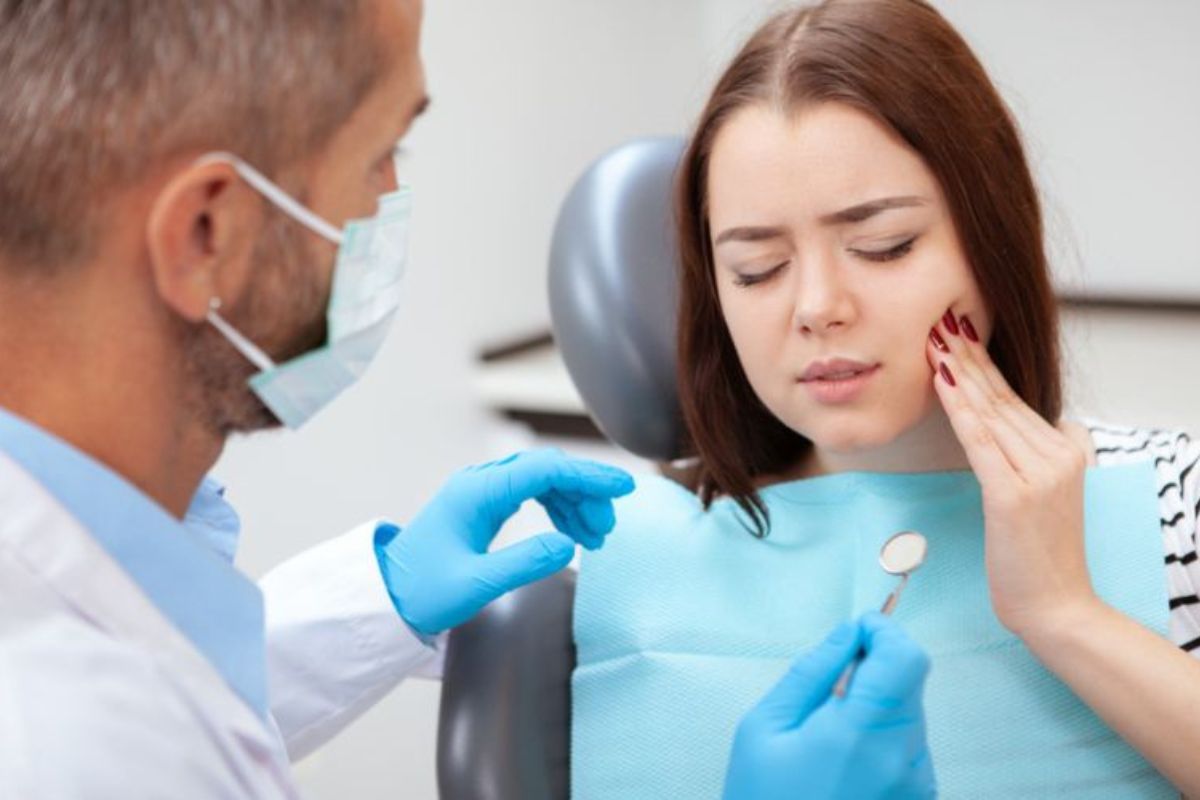
Dental emergencies never happen at a “good time.” Whether you’re out to dinner, at a school game, or relaxing at home, sudden pain or injury to your teeth can throw everything off. Knowing what to do and acting quickly can save your smile for families and individuals in the area. From chipped teeth to sudden swelling or a knocked-out tooth, this guide offers calm, practical advice. By following these tips, you can manage a dental emergency before reaching professional care.
What Counts as a Dental Emergency?
Not every toothache is an emergency, but some issues need fast action. Here are signs it’s time to seek help:
- Severe tooth pain that doesn’t go away
- Swelling in your face or gums
- A knocked-out or loose adult tooth
- Bleeding that doesn’t stop
- Cracked or broken teeth with sharp edges
- Abscess or visible pus around a tooth
When in doubt, it’s best to call an emergency dentist in Plano to evaluate the situation immediately.
How to Deal with a Dental Emergency?
Acting quickly can prevent further damage. Here’s what to do in common situations:
Knocked-Out Tooth: Rinse gently with water. Try placing the tooth back in the socket or store it in milk.
Cracked or Chipped Tooth: Rinse your mouth with warm water. Apply a cold compress. Save any pieces.
Toothache or Swelling: Rinse with warm salt water and avoid chewing on that side.
Soft Tissue Injury: Use a clean cloth or gauze to stop bleeding. Apply a cold compress outside the cheek.
Lost Filling or Crown: Use dental wax or over-the-counter dental cement until you see the dentist.
How Do You Manage Pain in a Dental Emergency?
Pain can come fast and strong. Managing it while waiting to be seen is key. Try the following:
Cold Compress: Reduces swelling and numbs the area
Over-the-Counter Pain Relief: These are usually more effective than acetaminophen for dental pain
Saltwater Rinse: Helps clean the mouth and soothe irritated tissues.
Avoid Chewing on the Affected Side: Reduces pressure on the injured area.
Keep Head Elevated: Can ease throbbing pain, especially at night.
What Should You Use to Care for Your Teeth After an Emergency?
When the situation settles, gentle care can help prevent complications. Here are effective options:
Toothpastes & Rinses: For sensitive teeth, use fluoride toothpaste. Rinse twice daily with an antiseptic or saltwater solution.
Gels & Strips: For lingering sensitivity, use desensitizing gel. Whitening strips should be avoided until healing is complete.
Take-Home Kits: Follow dentist-approved kits only. Don’t use DIY kits for tooth pain or cosmetic fixes.
Professional Treatments: Professional dental cleanings post-recovery. Dental bonding or crowns can be used to restore cracked or chipped teeth. Emergency dentistry can offer more complex repairs.
When Should You See an Emergency Dentist?
If the pain is sharp, the damage is visible, or the bleeding won’t stop, don’t wait. Dental offices in and around the Legacy West and Prestonwood neighbourhood’s are equipped for same-day emergency visits. Acting fast gives your dentist more options to save your tooth.
Visit Lonestar Dental Group Plano for a Dental Emergency
Dental emergencies don’t need to end in panic. With the proper steps and the right care, you can protect your smile and avoid long-term damage. Need urgent dental care? We offer prompt, compassionate services under emergency dentistry in Plano to help you feel better, faster. Book your visit today. So do not waste more time and book an appointment with us when you experience a dental crisis.