
How Long Do Crowns Last on Teeth? Everything Patients Should Know
If you’ve been told you need a dental crown, one of your first questions is probably how long it will last. Dental crowns are a reliable way to restore damaged teeth, improve appearance, and protect your oral health. Many patients searching for a Restorative Dentist want clear answers about durability and maintenance before committing to treatment. Whether you live in Plano, Frisco, McKinney, or Allen, understanding crown longevity can help you make informed decisions and protect your smile for years to come.
What Exactly Is a Dental Crown?
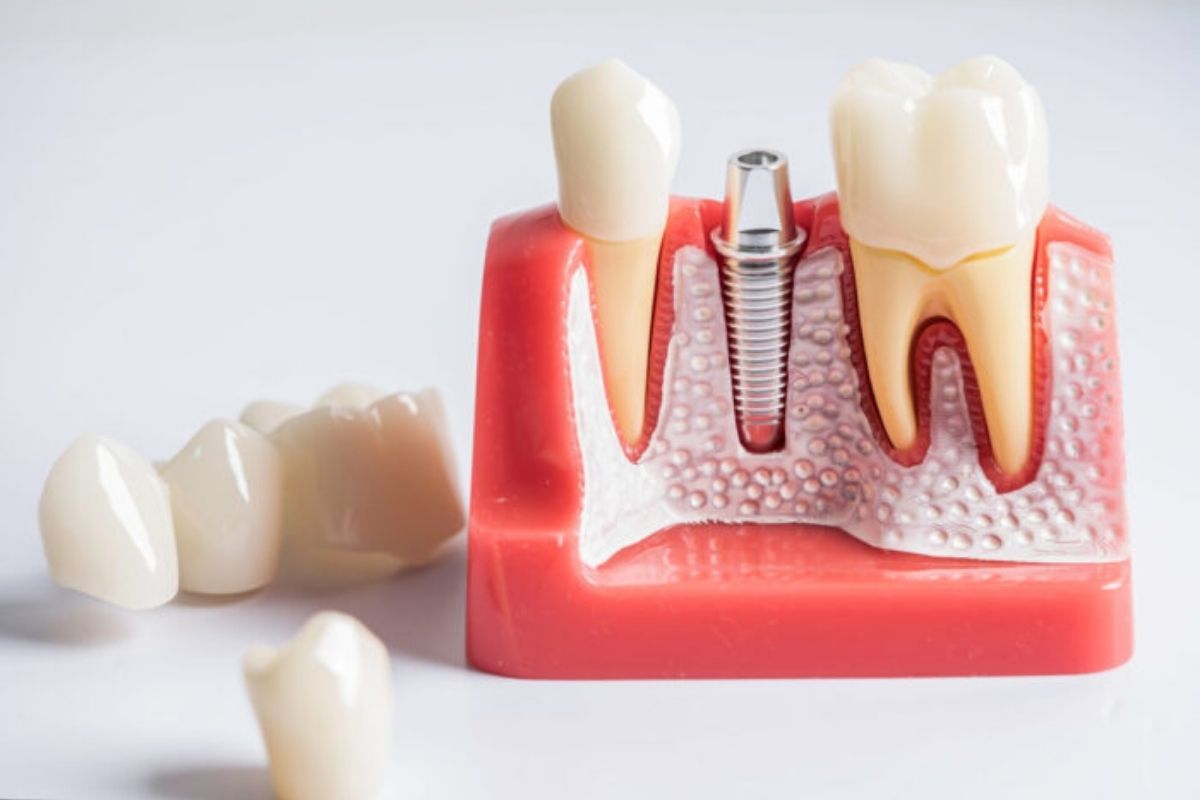
A dental crown is a custom-made cap placed over a damaged or weakened tooth. It restores the tooth’s shape, size, strength, and appearance while protecting it from further damage.
Dentists often recommend crowns for:
- Severely decayed teeth
- Cracked or broken teeth
- Teeth after root canal therapy
- Worn-down or misshapen teeth
- Covering dental implants
Modern crowns are designed to blend seamlessly with your natural teeth, making them both functional and aesthetically pleasing.
Typical Lifespan of a Dental Crown
Dental crowns are durable, but they aren’t permanent. On average, most crowns last between 5 to 15 years, though many can last 20 years or longer with proper care.
Here’s a general breakdown based on material:
- Porcelain or ceramic crowns: 5–15 years
- Porcelain-fused-to-metal crowns: 10–15 years
- Metal crowns (gold or alloys): 15–20+ years
The lifespan varies from patient to patient, depending on daily habits and oral health. A well-maintained crown can often exceed expectations.
What Influences How Long Your Crown Lasts?
Daily Oral Care Habits
Consistent brushing and flossing play a major role in crown longevity. While the crown itself cannot decay, the natural tooth underneath still can. Poor hygiene can lead to decay at the edges of the crown or gum disease, which may shorten its lifespan.
According to the Centers for Disease Control and Prevention, maintaining proper oral hygiene is essential for preventing gum disease and tooth decay. You can learn more here: https://www.cdc.gov/oralhealth/basics/index.html
Diet and Lifestyle Choices
Your eating habits matter more than you might think. Frequently chewing on hard foods like ice, nuts, or hard candy can crack or weaken a crown. Sticky foods may also loosen it over time.
Habits like nail-biting or using teeth as tools can also reduce durability.
Teeth Grinding (Bruxism)
If you grind or clench your teeth, especially at night, your crown may wear down faster. Dentists often recommend a custom nightguard to protect both natural teeth and crowns from excessive pressure.
Quality of Fit and Placement
A properly fitted crown is key to long-term success. If a crown doesn’t fit well, bacteria can enter underneath, leading to decay or loosening. Choosing an experienced dentist ensures better results and longevity.
Different Materials and Their Benefits
Dental crowns are made from various materials, each offering unique advantages:
- Porcelain/Ceramic: Natural-looking and ideal for front teeth
- Metal (Gold or Alloy): Extremely strong and long-lasting
- Porcelain-Fused-to-Metal: Combines strength with aesthetics
Your dentist will recommend the best material based on the location of the tooth, your bite, and your cosmetic goals.
Warning Signs Your Crown May Need Replacement
Even the best crowns eventually need replacement. Watch for these signs:
- Cracks, chips, or visible wear
- Sensitivity or pain when biting
- A loose or wobbly crown
- Gum irritation around the crowned tooth
If you notice any of these symptoms, it’s important to schedule a dental visit promptly to prevent further complications.
How to Extend the Life of Your Crown
Maintain Strong Oral Hygiene
Brush twice daily with fluoride toothpaste and floss regularly to keep the surrounding gum tissue healthy.
Be Mindful of What You Eat
Avoid chewing hard objects and limit sticky foods that can loosen your crown.
Use Protective Appliances
If you grind your teeth or play contact sports, a mouthguard can significantly extend the life of your crown.
Visit Your Dentist Regularly
Routine checkups allow your dentist to monitor your crown and catch potential issues early. Preventive care is one of the most effective ways to avoid costly repairs.
How Crowns Fit Into Your Overall Oral Health Plan
Crowns are just one part of dental restoration treatments that help preserve your natural teeth and maintain a healthy smile. They work alongside procedures like fillings, bridges, and implants to restore both function and appearance.
By addressing dental problems early and following your dentist’s recommendations, you can avoid more extensive treatments in the future.
Conclusion
Dental crowns are a long-lasting and effective solution for restoring damaged teeth, often lasting well over a decade with proper care. Factors like oral hygiene, diet, and regular dental visits all play a key role in how long your crown will last. By visiting a dentist in Plano, you can ensure your restoration stays strong and functional for years to come.
If you have questions about crowns or want to explore your options, contact us today to schedule a consultation and take the next step toward a healthier, stronger smile. You can easily find us on the map when planning your visit.