
How Long Can You Skip Brushing? Lonestar dental group explains the Risks
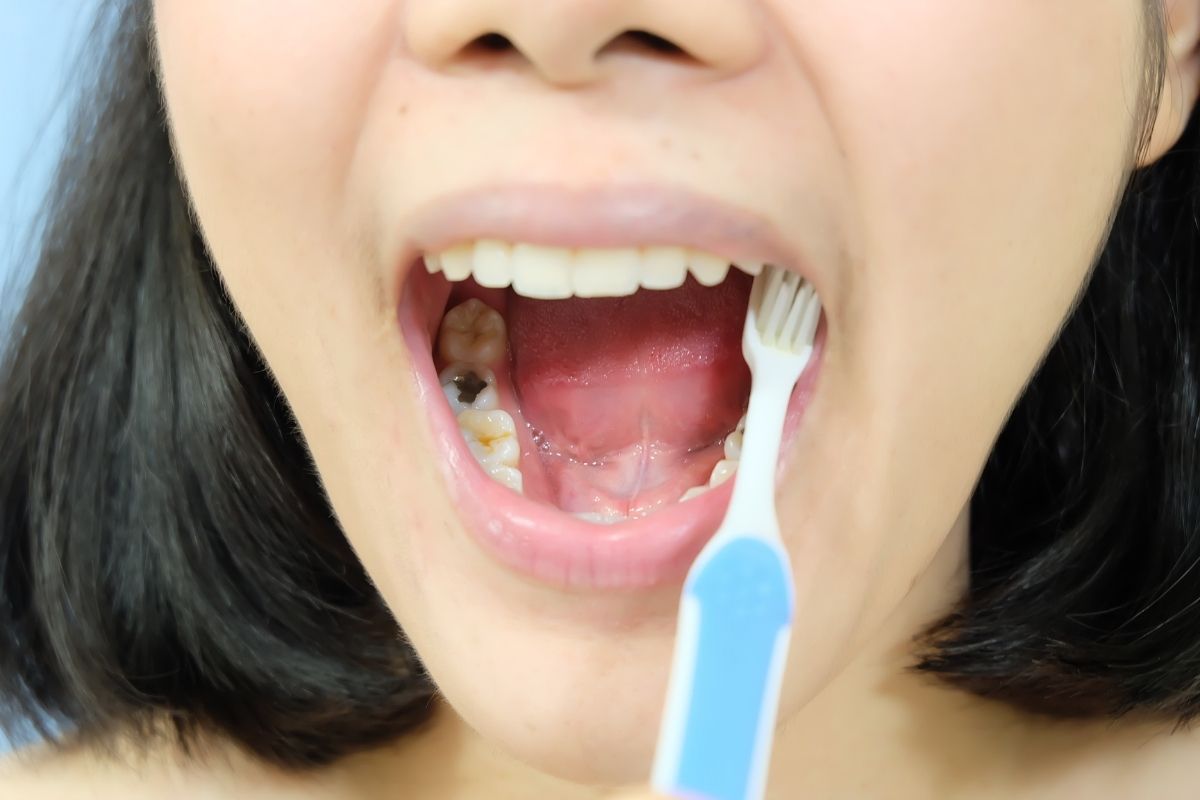
Everyone has had at least one exhausting night when brushing feels optional. But for residents in Plano and nearby areas like Allen, Frisco, and McKinney, skipping oral hygiene too often can lead to real consequences. Many patients are surprised by how quickly problems begin when brushing is delayed. According to a dentist in Plano, plaque starts forming within hours, not days. This blog focuses on patient education—helping you understand what truly happens in your mouth when brushing is skipped, how fast damage can progress, and why consistent habits matter for long-term oral and overall health.
What Starts Happening in Your Mouth Within the First Day
The mouth is a naturally active environment filled with bacteria. When you skip brushing, those bacteria feed on leftover food particles and sugars. Within hours, a sticky film called plaque begins to coat your teeth.
This plaque produces acids that weaken enamel and irritate gums. You may not feel pain right away, but enamel erosion can start silently. Early plaque buildup is easy to remove with brushing, but the longer it stays, the harder it becomes to manage.
After a Few Days: More Than Just Bad Breath
By day two or three, changes become noticeable. Many people experience persistent bad breath that mouthwash can’t fully fix. That’s because bacteria are now thriving along the gumline.
At this stage, gums may look slightly red or feel tender. This is often the first sign of gingivitis. Inflamed gums from plaque bacteria can bleed during brushing or flossing, even if you don’t feel pain yet.
One Week Without Brushing: When Damage Accelerates
After about a week, plaque that hasn’t been removed begins to harden into tartar. Tartar cannot be brushed away at home. It creates a rough surface that attracts even more bacteria.
This is often when people notice their teeth feel “coated” or rough. Gum irritation increases, and bleeding becomes more frequent. Tartar buildup along the gumline raises the risk of cavities and early gum disease.
One Month In: Cavities and Gum Disease Begin
Skipping brushing for several weeks significantly raises the risk of tooth decay. At this point, acids have had plenty of time to weaken enamel, allowing cavities to form.
Gingivitis may now be established, with swollen gums that bleed easily. The good news is that gingivitis is still reversible with improved oral hygiene and professional care. However, delaying treatment allows it to progress into more serious conditions.
This is often when patients start looking for a dental clinic in Plano to address discomfort, sensitivity, or bleeding gums before the damage becomes permanent.
Several Months Without Brushing: Long-Term Consequences
When poor brushing habits continue for months, gum disease can advance into periodontitis. This stage involves infection below the gumline and damage to the bone that supports the teeth.
Symptoms may include gum recession, chronic bad breath, and tooth sensitivity. Advanced gum disease effects can include loose teeth and discomfort while chewing. Once bone loss begins, it cannot be reversed—only managed.
A Year or Longer: Serious Oral and Health Risks
Going a year without brushing dramatically increases the risk of tooth loss. Infections can spread beyond the mouth, affecting the jawbone and even entering the bloodstream.
Research continues to explore links between oral infections and systemic conditions like heart disease and diabetes complications. Untreated dental infections are not just a cosmetic or comfort issue—they can impact overall health.
Can the Damage Be Reversed If You Start Brushing Again?
Timing matters. If you resume proper brushing early, plaque and gingivitis can often be reversed. Regular brushing, flossing, and professional cleanings help restore gum health.
However, cavities require fillings, and advanced gum disease requires ongoing management. Enamel loss and bone damage are permanent. Reversing early oral health damage is possible, but prevention is always easier than treatment.
Brushing Correctly Matters Just as Much as Brushing Daily
Many people brush twice a day but still experience problems because technique matters. Using a soft-bristled toothbrush, brushing for two full minutes, and cleaning along the gumline are essential.
Gentle circular motions remove plaque more effectively than aggressive scrubbing. Don’t forget the tongue—bacteria there contribute to bad breath and plaque transfer. Proper brushing technique maximizes protection and reduces long-term risk.
Why Professional Cleanings Still Matter
Even excellent home care cannot remove hardened tartar. Professional cleanings help eliminate buildup, monitor early signs of decay, and protect gum health.
Patients with a history of cavities, dry mouth, or gum issues may need more frequent visits. Regular checkups catch problems early, often before pain develops.
Conclusion
Skipping brushing may seem harmless once or twice, but the effects begin quickly and worsen over time. From plaque buildup to gum disease and tooth loss, the risks increase the longer brushing is delayed. Building consistent daily habits and seeking timely professional care can prevent most of these issues entirely.
If you have concerns about your oral health or brushing routine, contact Lonestar Dental Group today to get personalized guidance for maintaining a healthy smile. The practice is located at 5800 Coit Rd #800, Plano, TX 75023.
FAQs
Q1: Is it okay to skip brushing for one night?
Occasionally skipping once isn’t ideal, but the real risk comes from making it a habit. Plaque forms quickly.
Q2: How fast can cavities develop without brushing?
Cavities can begin forming within weeks if plaque and acids are left unchecked.
Q3: Can mouthwash replace brushing?
No. Mouthwash may reduce bacteria temporarily, but it cannot remove plaque the way brushing and flossing do.