
How to Maintain Dental Implants: Tips to Detect and Prevent Complications
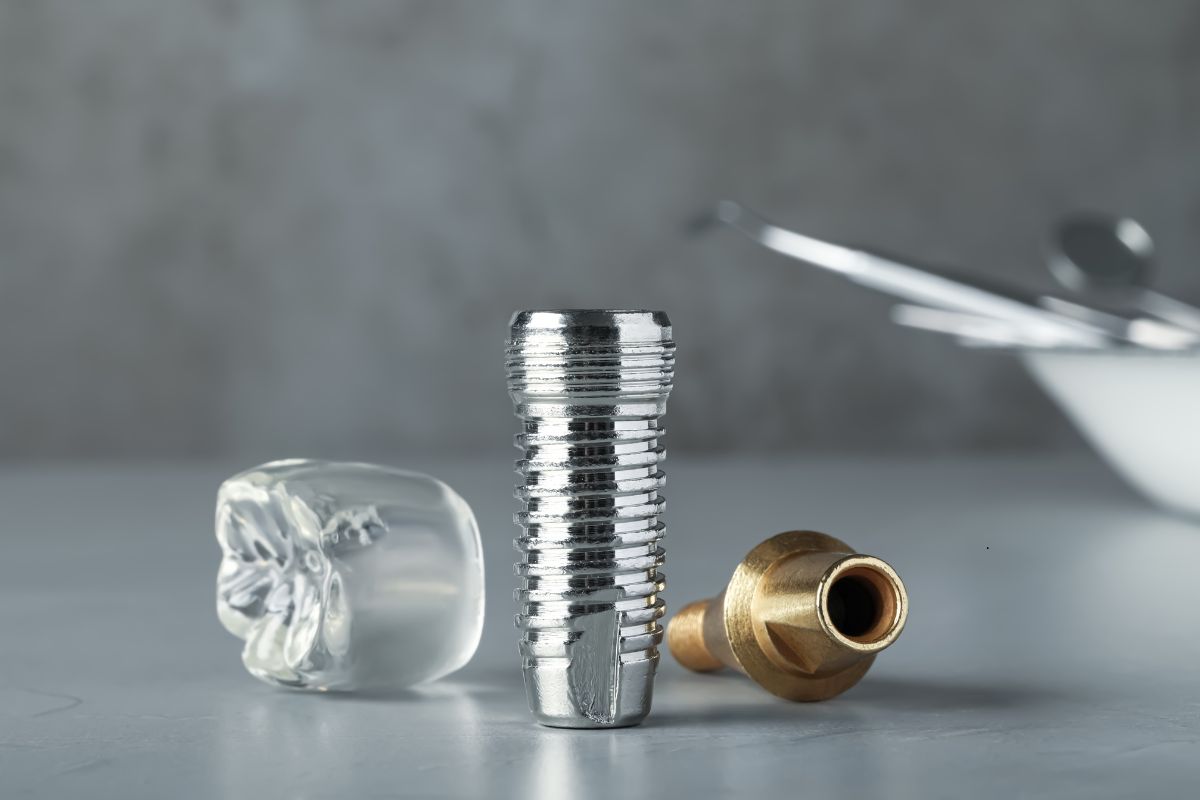
There is no better solution than implants when you need to replace lost teeth. However, like natural teeth, implant posts require regular care to stay in optimal condition. Without proper maintenance, prosthetic teeth may develop complications, leading to discomfort or even implant failure.
Keep reading this blog post to detect early issues and explore the steps to prevent complications with dental implants.
Why is Dental Implant Maintenance Crucial?
Implant posts are made to last, but they depend on healthy gums and bones for support. Dental Implants connect directly with the jawbone in a process called osseointegration, creating a solid foundation for chewing and speaking. However, if bacteria or plaque build up around the implant, it can cause gum disease and bone loss, leading to complications.
Maintaining your prosthetic teeth prevents these issues, protecting your smile and overall oral health. A restorative dentist in Plano can spot potential problems early and keep your implants in top shape.
Key Tips for Maintaining Dental Implants
Here’s how you can keep your implants well-maintained.
Practice Excellent Daily Oral Hygiene
Maintaining good dental hygiene is the best way to prevent complications with implants. Brush twice daily with a soft-bristled toothbrush, focusing on the gum line around the implant. You can also select a non-abrasive toothpaste to avoid damaging the surface of the implant.
Moreover, floss daily, especially around the implant, to remove trapped food and plaque. Your dentist might also recommend a water flosser or interdental brush to clean up hard-to-reach areas in your mouth.
Visit Your Dentist Regularly
Regular appointments enable dentists to detect early indications of peri-implantitis. This condition, similar to gum disease, can lead to implant failure if untreated. A restorative dentist is trained in maintaining implants and will advise you on best practices for long-term care.
Choose Implant-Safe Oral Care Products
Use products designed for sensitive teeth and implants. Avoid toothpaste with harsh ingredients, as they can scratch the implant. Look for mouthwash without alcohol, as it can irritate the gums around the implant.
Ask your dental practitioner about recommended products that protect implants and reduce plaque buildup, especially around the gum line.
Avoid Hard and Sticky Foods
Implant posts are durable, but they’re not indestructible. Hard foods like ice and sticky candies can cause excessive pressure, potentially damaging the implant or surrounding teeth.
Opt for softer foods and cut hard items, like raw carrots, into smaller pieces to avoid stressing the implant. Being mindful of your diet can significantly reduce the risk of implant-related complications.
Detecting Early Signs of Implant Complications
Spotting early signs of complications can prevent more serious issues down the road. Here’s what to look out for:
Redness or Swelling Around the Implant: If you notice redness, swelling, or bleeding near the implant, it could indicate inflammation or infection.
Persistent Pain or Discomfort: Mild discomfort after implant placement is normal, but ongoing pain may be a warning sign. Pain that doesn’t improve could mean the implant isn’t properly integrated with the bone or that there’s an infection.
Loose Implant or Tooth: A properly placed implant should feel stable. If your implant feels loose, it may mean bone support has weakened. Contact your restorative dentist if you experience any looseness, as immediate attention can often save the implant.
Preventing Common Dental Implant Complications
Here are some effective ways to protect your implants:
Quit Smoking: Smoking can hinder the healing process and reduce blood flow, which is essential for a healthy implant site. Stop this habit to avoid peri-implantitis and help the site heal fast.
Manage Bruxism (Teeth Grinding): If you have bruxism, consider wearing a nightguard to protect your implants and natural teeth.
Control Sugar Intake: A diet high in sugar promotes plaque growth, leading to gum disease around implants. Limiting sugary snacks and drinks helps keep your mouth bacteria-free and reduces the risk of infection.
Use a Water Flosser: A water flosser can be a great tool for cleaning around implants. It removes food particles and bacteria without harming the implant structure.
Why Consulting a Restorative Dentist Matters?
A restorative dentist in Plano specializes in the care and maintenance of dental implants and other prosthetics. Regular check-ups allow these professionals to spot early signs of implant complications and provide preventive care.
Maintaining prosthetic teeth doesn’t have to be complicated, but it does require consistency. With these simple maintenance tips, you can protect your smile and enjoy all the benefits of your implants.
Are you interested in prioritizing implant health to achieve and maintain a confident smile? At Lonestar Dental Group Plano, we help you restore missing teeth with high-quality implants that look natural. Contact our dentist now!