Can Oral Cancer Screenings Detect Other Dental Issues?
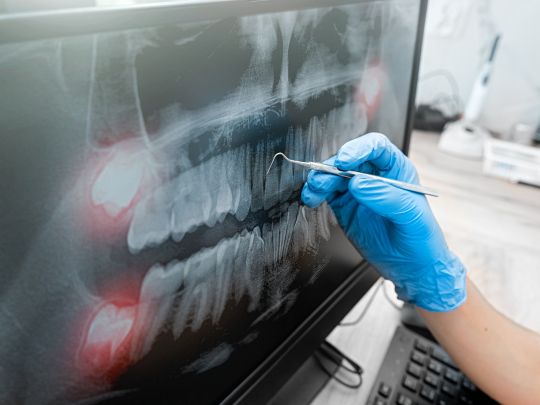
When people hear the term “oral cancer screening,” they often associate it solely with the detection of cancerous lesions in the mouth. While identifying early signs of oral cancer is indeed the primary purpose of these screenings, many don’t realize the broader value these evaluations offer. Oral cancer screenings can also reveal a range of other dental issues that might otherwise go unnoticed until they become more serious.
In this blog, we’ll explore how oral cancer screenings function as a powerful tool not only for cancer detection but also for spotting a variety of oral health concerns — making them an essential part of preventive dental care.
What Is an Oral Cancer Screening?
An oral cancer screening is a quick, non-invasive exam performed during a routine dental visit. Dentists carefully check the mouth for any signs of abnormal tissue, sores, lumps, or discoloration. The screening typically includes the lips, tongue, cheeks, roof and floor of the mouth, gums, and throat.
Many dental professionals may also use specialized tools such as lights or dyes to highlight any unusual areas that may not be visible to the naked eye. These enhanced techniques increase the accuracy of early detection.
Beyond Cancer: What Else Can Be Detected?
Though cancer detection is the central focus, the comprehensive nature of the screening allows dentists to identify a host of other oral issues during the process.
1. Early Signs of Gum Disease
Inflamed, bleeding, or receding gums can be a red flag for gingivitis or periodontitis. Because the soft tissues are already being closely examined during a cancer screening, gum problems often become apparent during this evaluation. Detecting these conditions early allows for more manageable treatment options and reduces the risk of tooth loss.
2. Infections and Sores
Bacterial, viral, or fungal infections such as oral thrush or cold sores can be spotted during screenings. Left untreated, these infections can lead to discomfort and potential complications. Early intervention helps resolve the issue quickly and prevent recurrence.
3. Tooth Decay and Enamel Erosion
Dentists may observe signs of cavities or weakened enamel while inspecting the oral cavity. Although these aren’t the primary target of a cancer screening, their presence can still be identified, especially when they affect visible tooth surfaces or are accompanied by pain or discoloration.
4. Temporomandibular Joint (TMJ) Issues
While evaluating the mouth and jaw alignment, dentists in Plano TX may notice signs of TMJ disorders — such as popping or clicking in the jaw, restricted movement, or tenderness. Addressing these symptoms early can help reduce jaw discomfort and prevent long-term damage.
5. Bite and Alignment Concerns
The screening may also reveal abnormalities in how the teeth align or how the bite functions. Detecting such issues early allows for timely orthodontic consultation, which can prevent uneven wear on teeth or jaw strain.
The Preventive Power of Early Detection
One of the greatest advantages of oral cancer screenings is their role in preventive dentistry. By identifying problems in their earliest stages — whether cancerous or not — dentists can implement timely treatment plans that prevent escalation.
This proactive approach reduces the likelihood of painful or complex procedures down the line. It also promotes long-term oral health by addressing issues before they affect the structure and function of the mouth.
A Holistic Approach to Oral Health
Oral cancer screenings are more than a check for malignant conditions — they’re a comprehensive review of your oral environment. From soft tissue health to jaw functionality, these exams allow Plano dentists to assess the full scope of your oral well-being in just a few minutes.
>Incorporating regular screenings into your dental visits supports a holistic model of care. It encourages patients to stay engaged with their health and empowers them to make informed decisions based on early findings.
Conclusion
While the term “oral cancer screening” might suggest a singular focus, these evaluations offer much more than meets the eye. In addition to detecting early signs of cancer, they provide an opportunity for dental professionals to catch a wide range of oral health concerns — from gum disease and decay to TMJ and bite issues.
>By embracing regular screenings as part of your dental routine, you not only reduce your risk of serious illness but also enhance your overall oral health. It’s a simple yet powerful step toward maintaining a healthy, functional, and confident smile.